The model is rented.
It doesn’t have to be.
Open-weight models now sit within reach of the frontier — and the silicon to run them sits on a desk. We specify the hardware, supply it, stand up the models and wire them into the same governed agent platform we run in production. On your metal, under your roof, off the meter.
24 machines · 15 leading open models · every price dated & sourced · July 2026
Why serious operators are bringing the model in-house
Four structural advantages — and, because you'll be weighing a real decision, the three honest counters that go with them.
Sovereignty by design
Prompts, documents and tokens never leave your building. No third-country transfer risk, no US CLOUD Act exposure, no provider training on your data — there is no third party to subpoena.
Per-token becomes per-watt
Above roughly 10M tokens a day, owning the box reliably beats renting the tokens within 18 months. Capex depreciates; your token bill compounds.
Permanence and control
No deprecations, no rate limits, no surprise behaviour changes. You pin the weights, version the stack and change models on your schedule — the weights are an asset you keep.
The regulator's favourite architecture
UK GDPR, EU AI Act logging (high-risk obligations from December 2027), DORA, NIS2: audit trails and processing stay inside your compliance boundary by design, not by contract clause.
And the honest counters
The frontier gap is real
Narrower than ever — the best open weights now sit a few points off the top of the independent leaderboards — but real: at parity on mainstream coding and agentic work, still behind on the hardest reasoning. Where a workload needs frontier judgement, we say so and route it there.
The ops burden is real
A production inference stack needs monitoring, evals, patching and capacity planning. That is precisely the service we sell — but someone pays for it, and we'd rather you price it in than discover it.
Hardware depreciates, models churn
Open-weight leadership changed hands five times in five months this year. We size memory headroom over today's model and design the serving layer so a model swap is routine, not a rebuild.
The gap closed. The weights are yours to keep.
Five frontier-class open releases landed in the first half of 2026 alone. The leaders now match closed frontier models on mainstream coding and agentic work — under MIT and Apache licences that make the weights a business asset.
GLM-5.2
Jun 2026Z.ai
The strongest open weights that fit on a single box — level with GPT-5.5 on real-world agentic evals, exceptional at long-horizon coding and million-token document work.
~390 GB at 4-bit · 744 GB at FP8
Kimi K3
Jul 2026Moonshot AI
The largest open weights ever released — 2.8T parameters across 896 experts, native vision, and Kimi Delta Attention holding a million-token context. The #1 open model on Artificial Analysis's Intelligence Index (57) — six points clear of anything else you can download.
⚠ Weights landed 27 Jul 2026: 96 shards, 1.56 TB native MXFP4 — the first open weights to outgrow every single box here; three networked GB300 Stations is the smallest on-prem footprint. K2-style modified MIT: internal use unrestricted; $20M+ model-as-a-service resellers need Moonshot's agreement.
~1561 GB at 4-bit
Kimi K2.6
Apr 2026Moonshot AI
A trillion parameters, quantisation-aware-trained to INT4 — 594 GB is the whole model. First open weights to beat GPT-5.4 on SWE-Bench Pro; agent-swarm orchestration.
~594 GB at 4-bit
DeepSeek V4 Flash
Apr 2026DeepSeek
The pragmatist's frontier: 79% SWE-bench Verified from a model whose native FP4/FP8 checkpoint fits two workstation GPUs. The most important model for self-hosters in 2026.
~95 GB at 4-bit · 155 GB at FP8
DeepSeek V4 Pro
Apr 2026DeepSeek
1.6T open weights — GPT-5.5-class agentic coding. Genuinely multi-node territory: even a GB300 Station needs a partner to serve it.
~800 GB at 4-bit
Qwen3.5 397B
Feb 2026Alibaba
The multilingual heavyweight — 201 languages, native multimodal, official FP8 and Int4 releases, and the cleanest licence in the frontier class.
~205 GB at 4-bit · 397 GB at FP8
Mistral Large 3
Dec 2025Mistral AI
Europe's flagship, Apache-licensed end to end. The sovereignty pick when the supplier's jurisdiction matters as much as the weights.
~360 GB at 4-bit · 675 GB at FP8
MiniMax M3
Jun 2026MiniMax
The multimodal one — image and video input natively, sparse attention that keeps million-token context affordable. Drawings, scans and site photos.
⚠ Community licence: attribution required, large-scale products need separate authorisation.
~220 GB at 4-bit · 428 GB at FP8
Nemotron 3 Super
2026NVIDIA
NVIDIA's hybrid Mamba-Transformer — trained in NVFP4 for Blackwell silicon, million-token context, fully open data and recipes. Built for long-running agents.
~65 GB at 4-bit
Qwen3.5 122B
Feb 2026Alibaba
Arguably the best quality-per-gigabyte in open weights — a 122B MoE that fits a single 96 GB card or a 128 GB unified box at 4-bit.
~65 GB at 4-bit · 122 GB at FP8
gpt-oss-120b
Aug 2025OpenAI
Ships in native MXFP4 — 61 GB serves the whole model. Still the workhorse of the desk tier: o4-mini-class reasoning on a single card or unified-memory box.
~61 GB at 4-bit
Devstral 2
Dec 2025Mistral AI
The coding specialist — 72% SWE-bench Verified as a dense 123B. A serious self-hosted coding-agent backend for mid-market teams.
⚠ Licence caps commercial use at $20M/month revenue — fine for SMEs, not for large enterprises.
~68 GB at 4-bit · 123 GB at FP8
Qwen3.6 35B
Apr 2026Alibaba
Only 3B active parameters — the triage engine. Classification, routing and extraction at speed on modest hardware.
~19 GB at 4-bit
Gemma 4 31B
Apr 2026Google's open family gone fully Apache 2.0 in 2026 — clean licensing, strong small-model quality, edge-to-desk deployment.
~19 GB at 4-bit
gpt-oss-20b
Aug 2025OpenAI
Runs on a laptop, reasons like something bigger. High-volume pipeline work — triage, extraction, first-pass drafting.
~14 GB at 4-bit
Notable by absence: Meta exited open weights in 2026, and Tencent’s Hunyuan licence excludes the UK — the landscape needs reading before you commit. That reading is part of the audit.
You are buying two numbers
Capacity decides what you can hold. A model’s 4-bit weights must fit in memory — the dashed lines show what today’s leaders need.
Bandwidth decides how fast it speaks. Every generated token re-reads the active weights, so memory speed — not compute — is the tokens-per-second ceiling on modern sparse models.
The whole market is a trade between these two axes — and the reason the 2026 mixture-of-experts wave (3–40B active parameters) suddenly made desk-scale hardware viable.
From a £2k mini-PC to a desk supercomputer
Every machine on the NVIDIA marketplace roster and its serious rivals — same silicon families, honest prices, dated sources. Click through for full product pages.
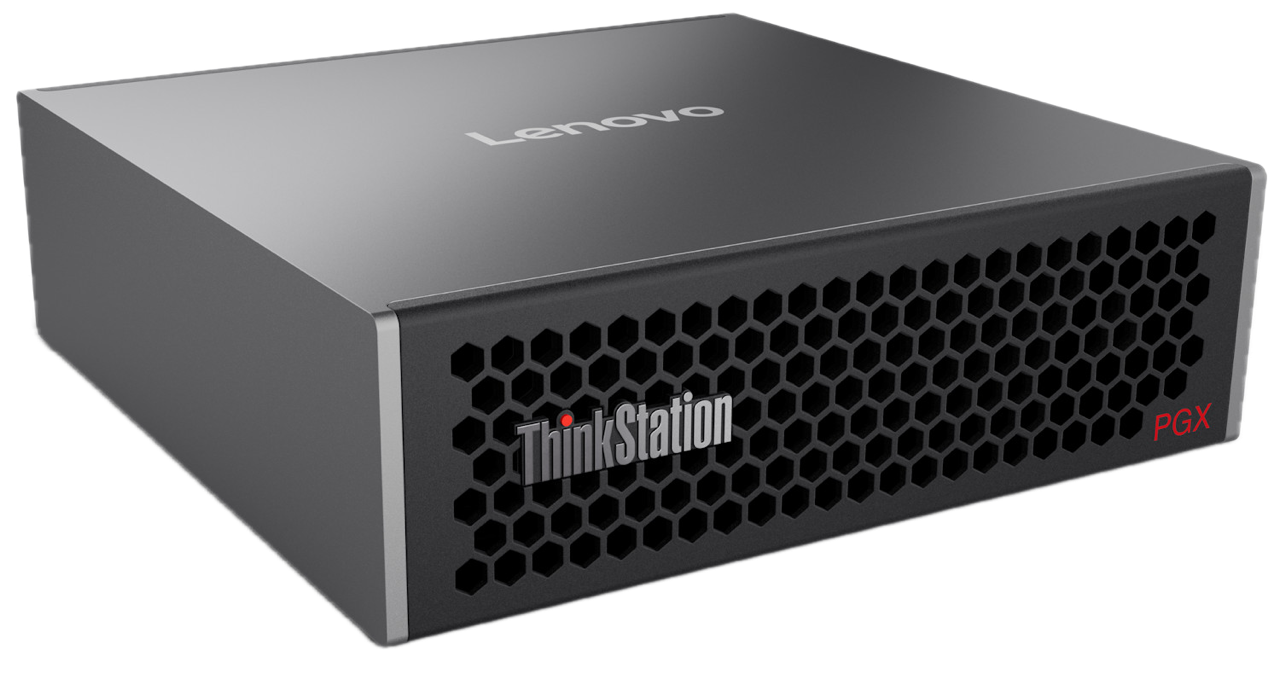
Lenovo
ThinkStation PGX
The GB10 goes corporate — ThinkStation build quality, Premier support options, and currently the cheapest UK route into the family.
- Memory
- 128 GB
- Bandwidth
- 273 GB/s
- AI perf
- 1 PFLOP FP4
from ~£3,211 inc VAT
1 TB SKU via UK resellers (Ballicom £2,675.58 ex VAT) · 4 TB ~£3,809 inc
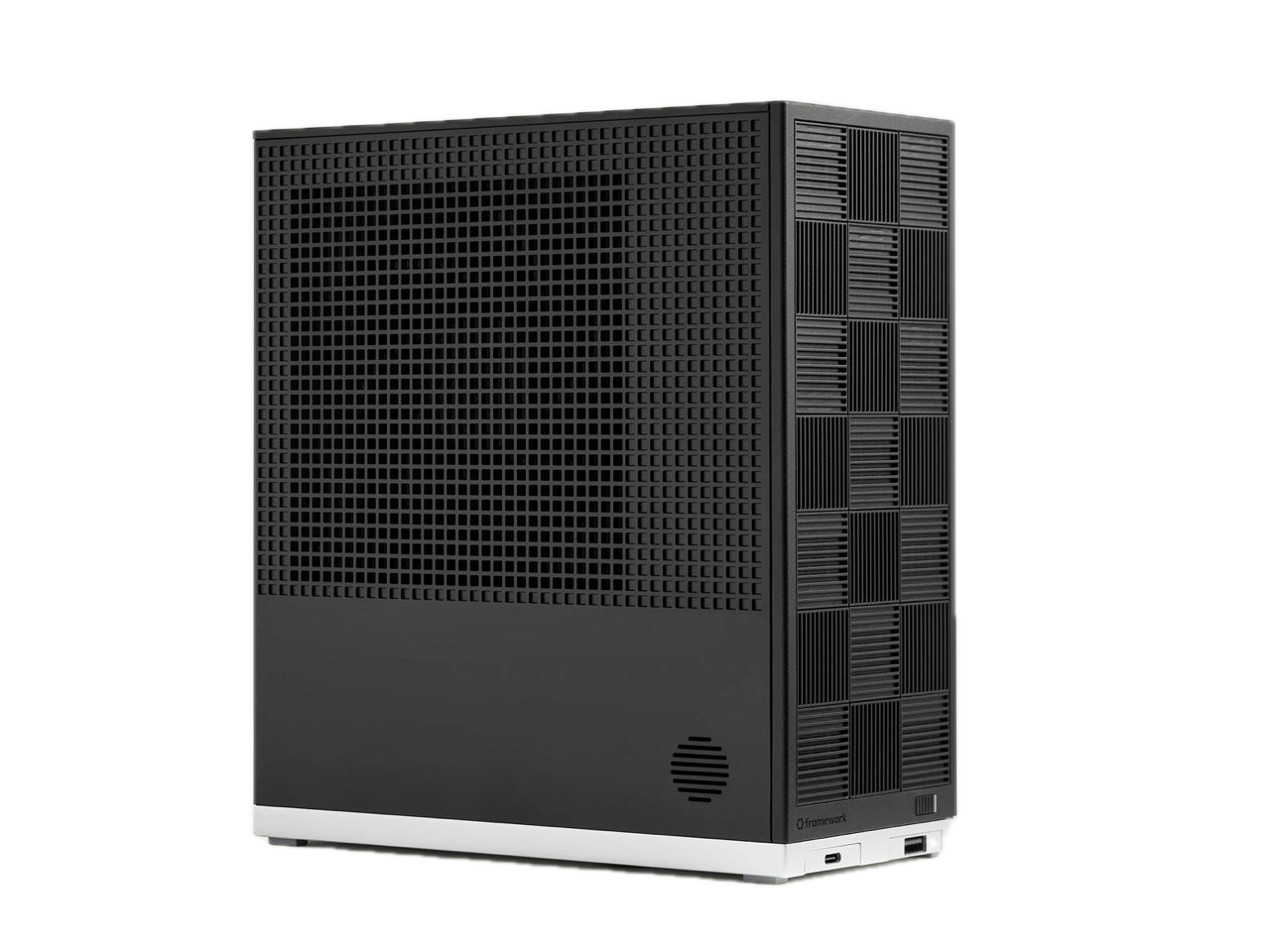
Framework
Framework Desktop
The community favourite — the best-documented local-LLM box on the platform, from the repairability company.
- Memory
- 128 GB
- Bandwidth
- 256 GB/s
- AI perf
- 40-CU RDNA 3.5
~$2,851 (128 GB + 1 TB)
US verified Mar 2026 · UK GBP via configurator (~£2.2–2.5k expected) · rose ~$460 in the RAM crisis
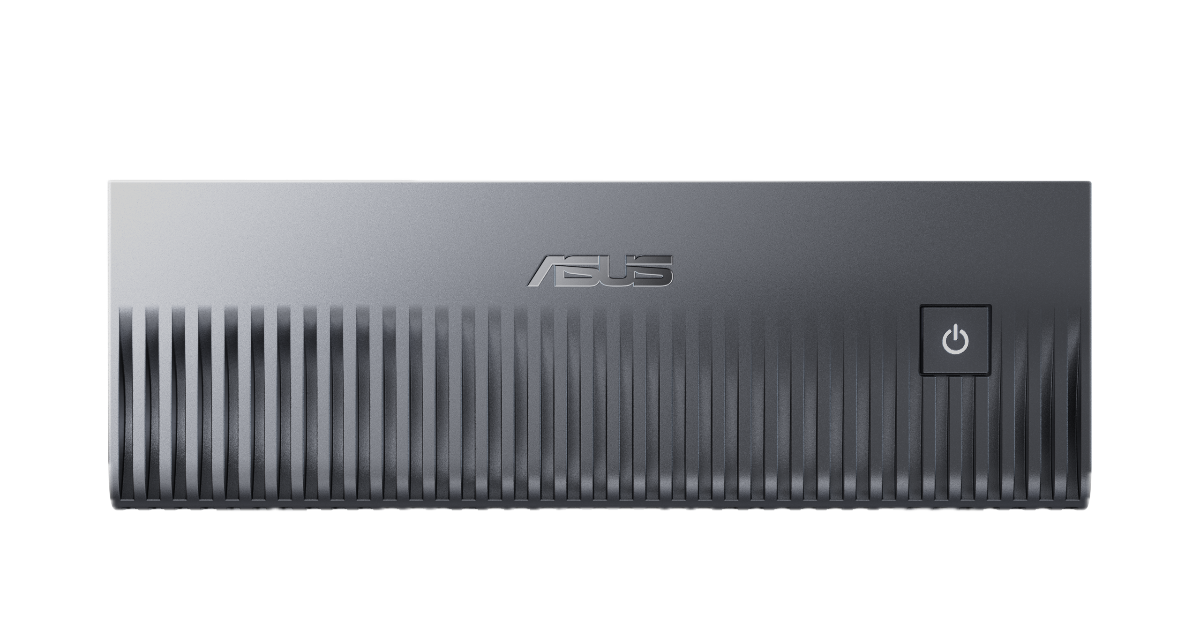
ASUS
Ascent GX10
The volume workhorse — 1 TB base SKU, TAA-compliant variant for public sector, stackable chassis design.
- Memory
- 128 GB
- Bandwidth
- 273 GB/s
- AI perf
- 1 PFLOP FP4
£4,299 inc VAT
1 TB SKU, Scan UK in stock · US $3,099.99 (1 TB)
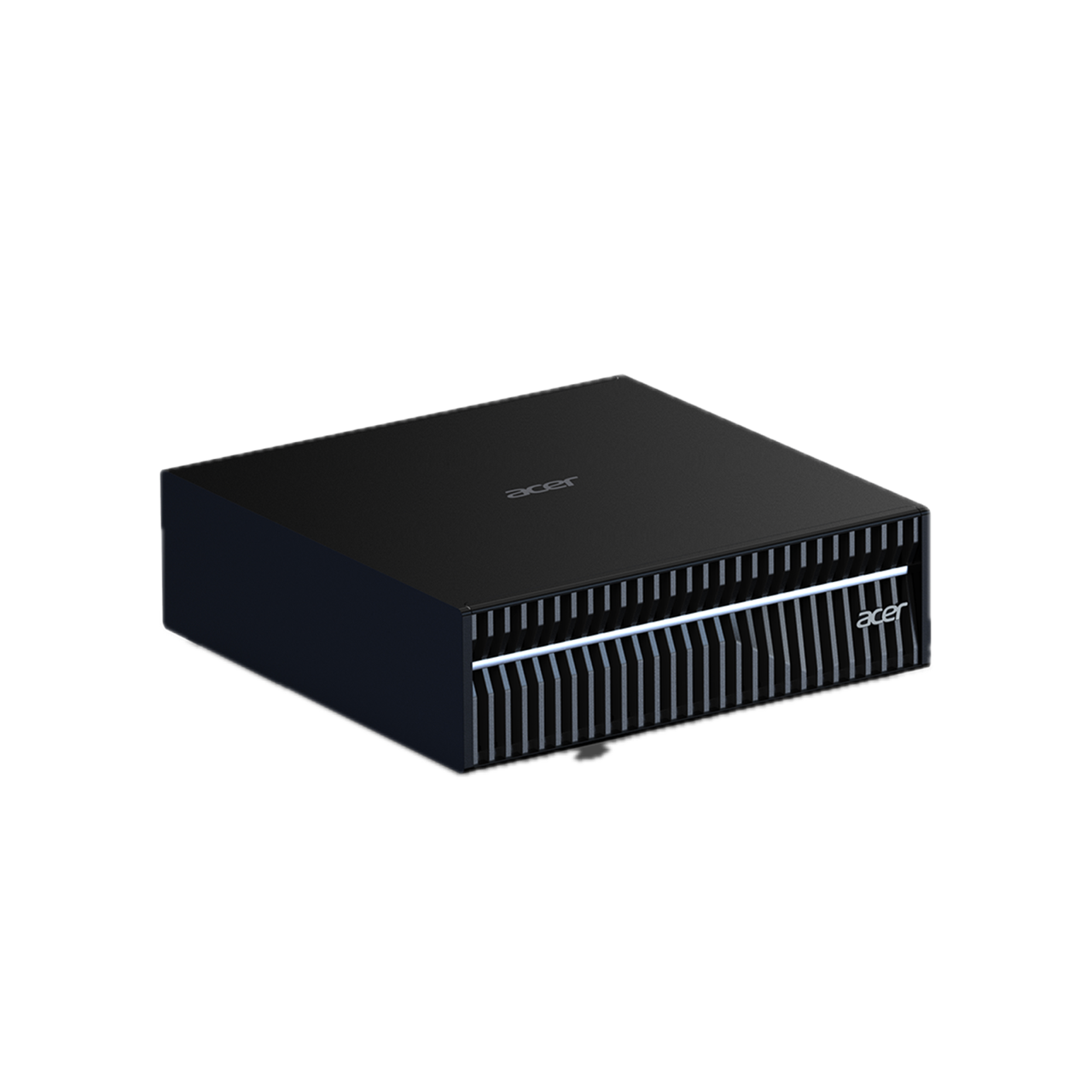
Acer
Veriton GN100
4 TB standard at £3,999.99 — the aggressive value pick that held the old price point through the shortage.
- Memory
- 128 GB
- Bandwidth
- 273 GB/s
- AI perf
- 1 PFLOP FP4
£3,999.99 inc VAT
4 TB standard — best £/TB in the family
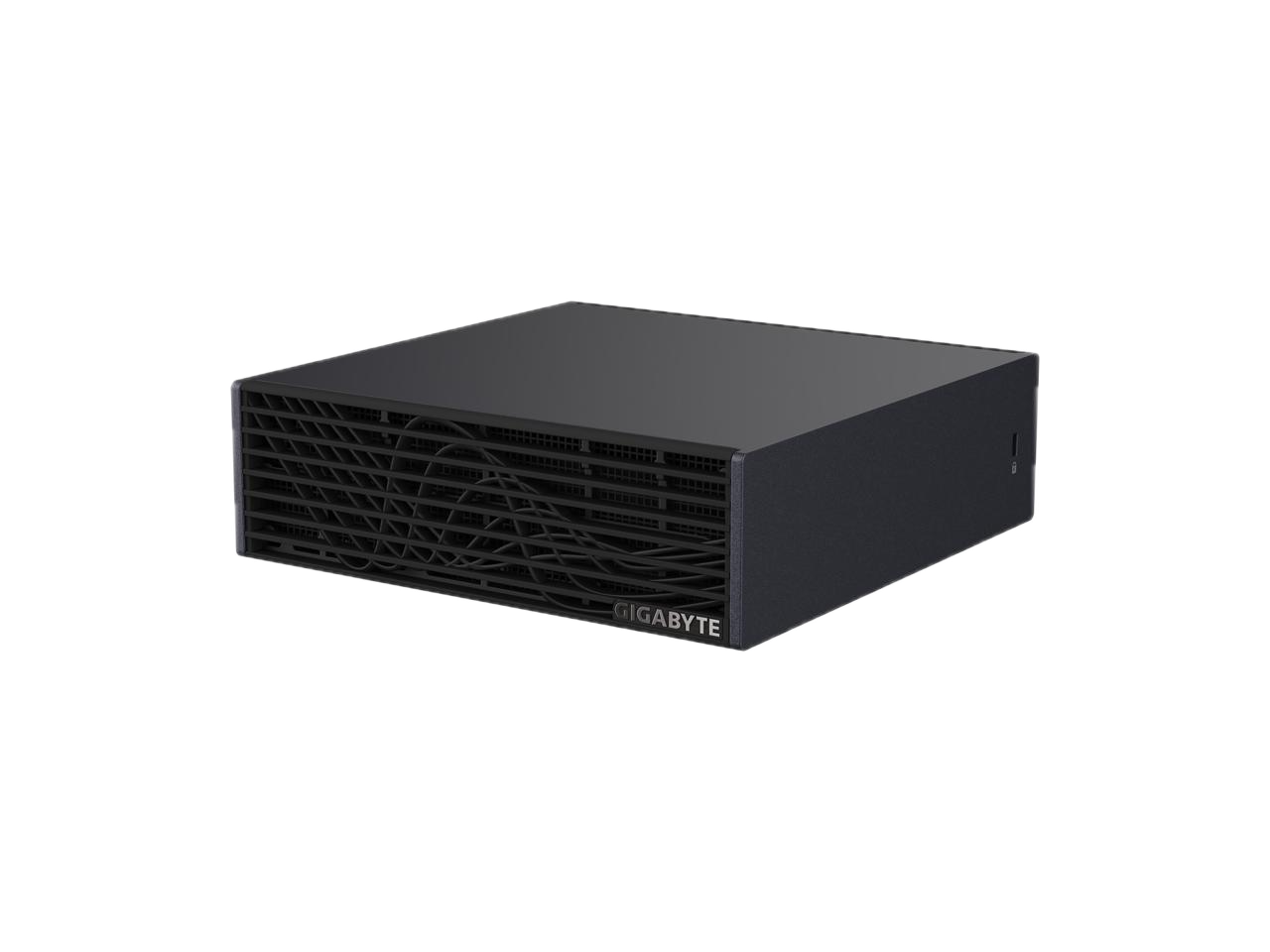
Gigabyte
AI TOP ATOM
The GB10 wired into Gigabyte's AI TOP tuning ecosystem — a neat 1-litre box with 4 TB Gen5 storage.
- Memory
- 128 GB
- Bandwidth
- 273 GB/s
- AI perf
- 1 PFLOP FP4
£4,858.99 inc VAT
Scan UK, in stock · US $3,999.99 (Newegg)
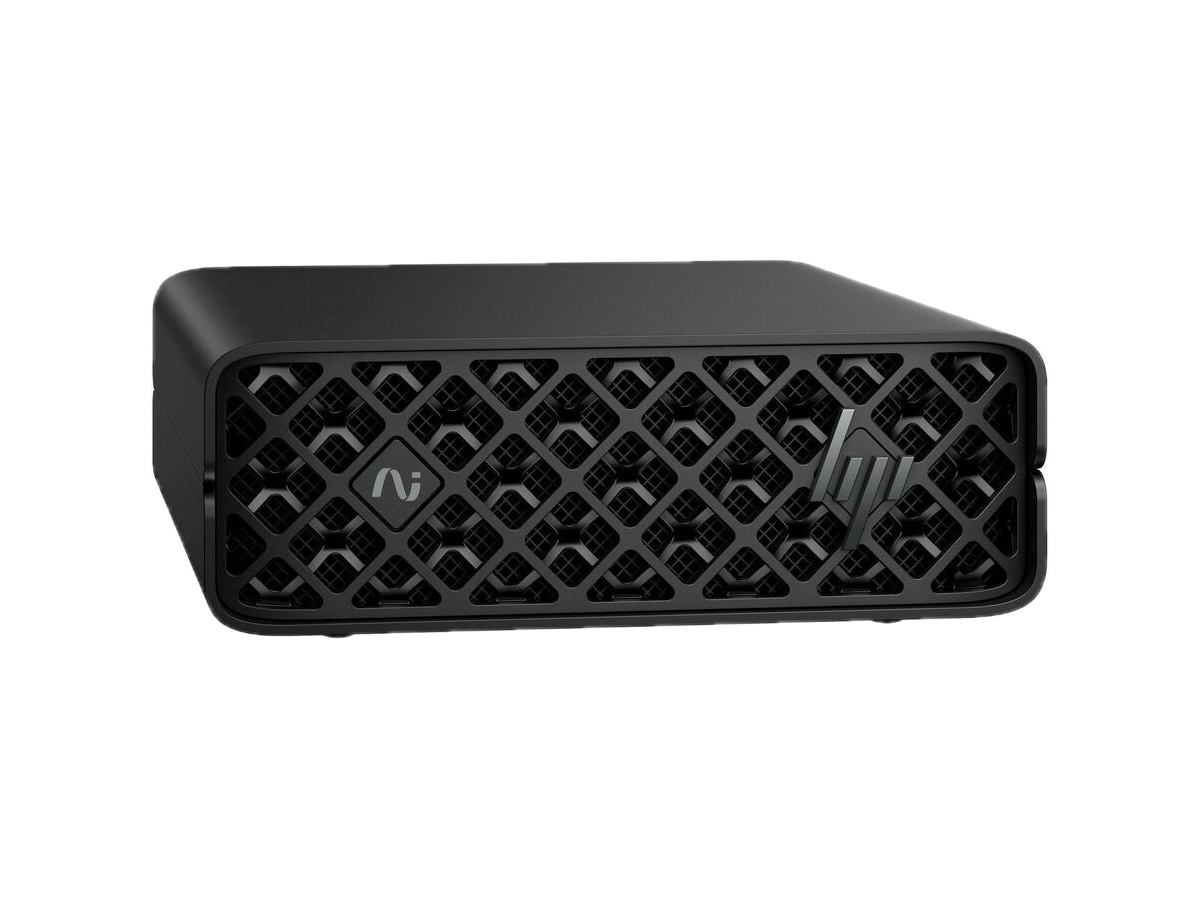
HP
ZGX Nano AI Station G1n
The Z-workstation take on the GB10 — enterprise support and a family ladder that leads up to the ZGX Fury.
- Memory
- 128 GB
- Bandwidth
- 273 GB/s
- AI perf
- 1 PFLOP FP4
~$4,207 · UK from ~£4,939
US verified (CDW, 4 TB) · UK price indicative only — confirm at quote
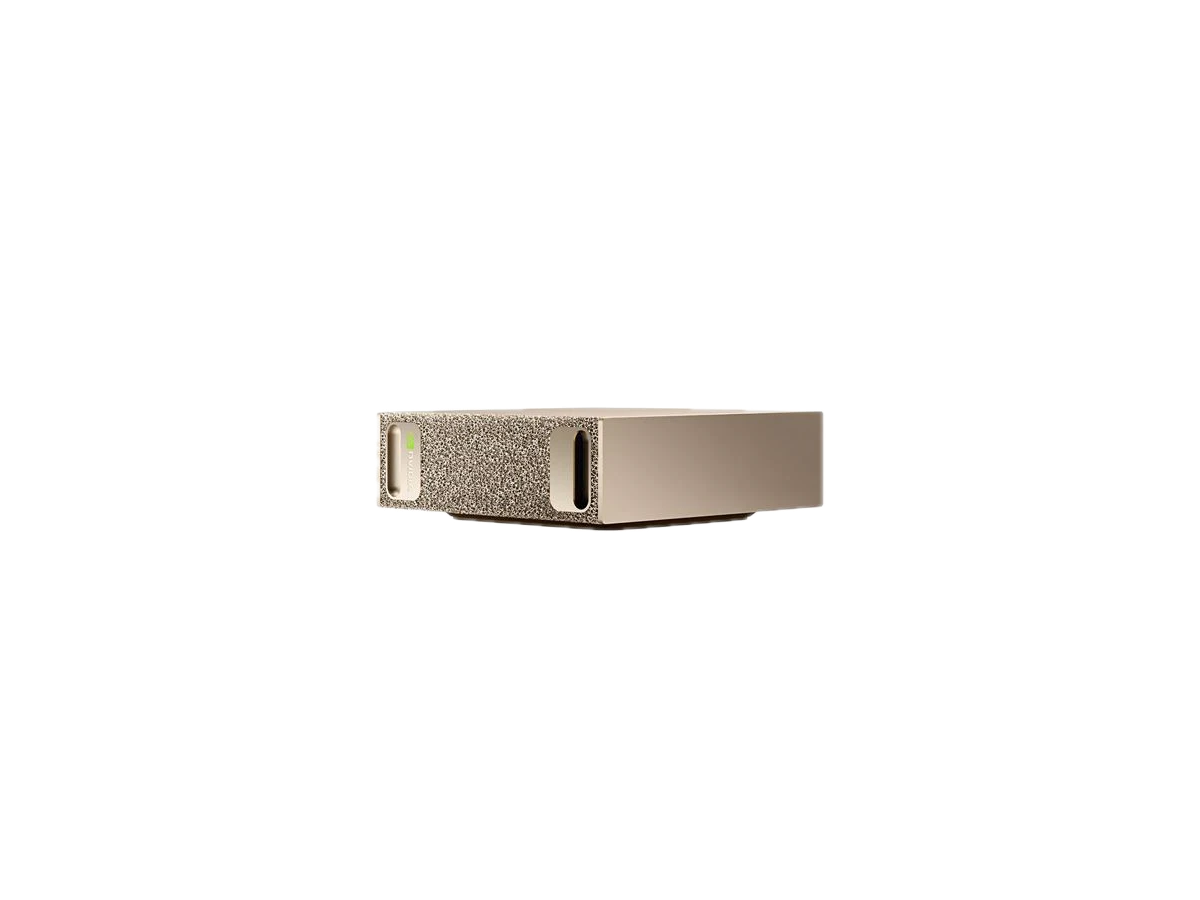
NVIDIA
DGX Spark Founders Edition
The reference machine: NVIDIA's own champagne-gold 1.2 kg desk supercomputer, 4 TB standard, dual QSFP exposed for clustering.
- Memory
- 128 GB
- Bandwidth
- 273 GB/s
- AI perf
- 1 PFLOP FP4
£4,899 inc VAT
Scan UK, in stock · US MSRP $4,699 (raised from $3,999, Feb 2026)
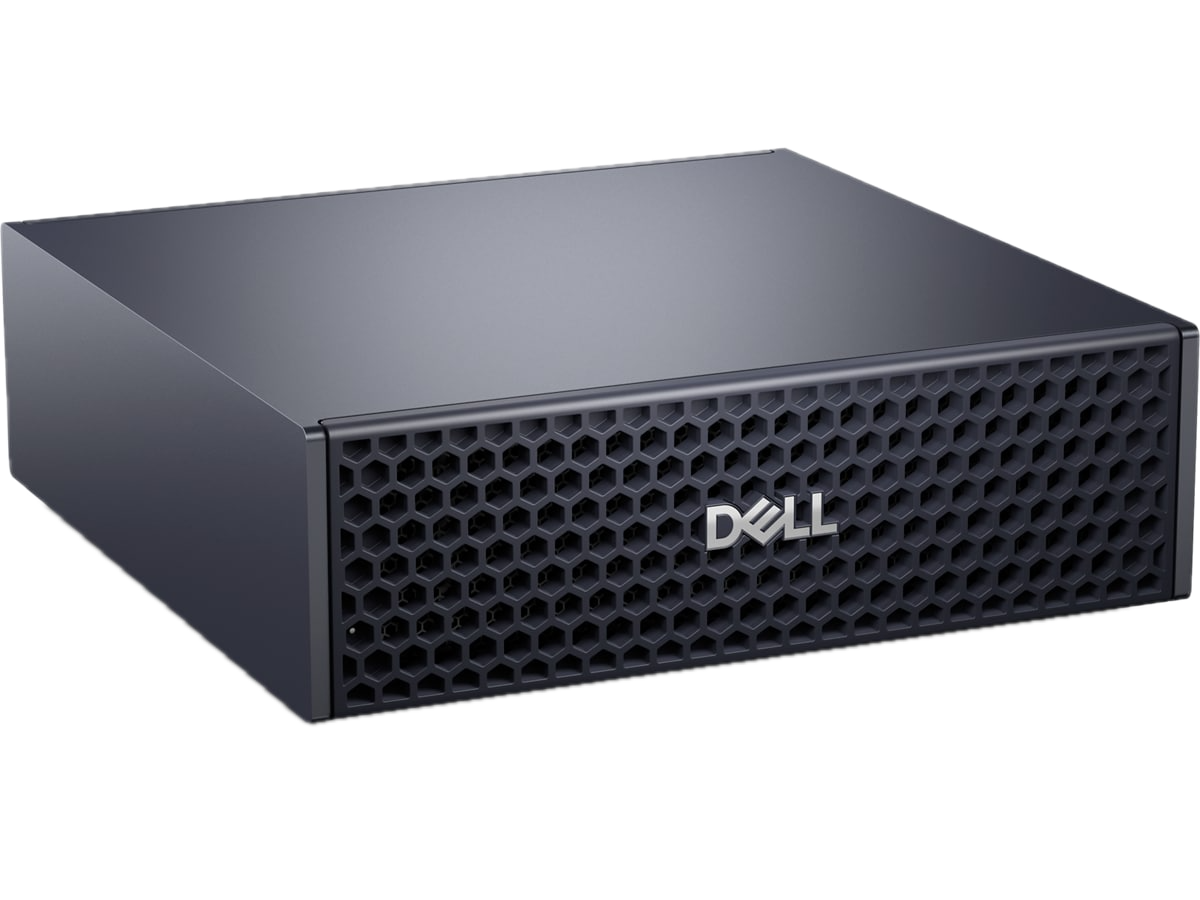
Dell
Pro Max with GB10
The reviewer's favourite — a 280 W USB-C power adapter and Dell Pro Max support, at the family's premium UK price.
- Memory
- 128 GB
- Bandwidth
- 273 GB/s
- AI perf
- 1 PFLOP FP4
£6,125.27 inc VAT
dell.co.uk verified (4 TB) · US launch $3,999 — a steep UK premium
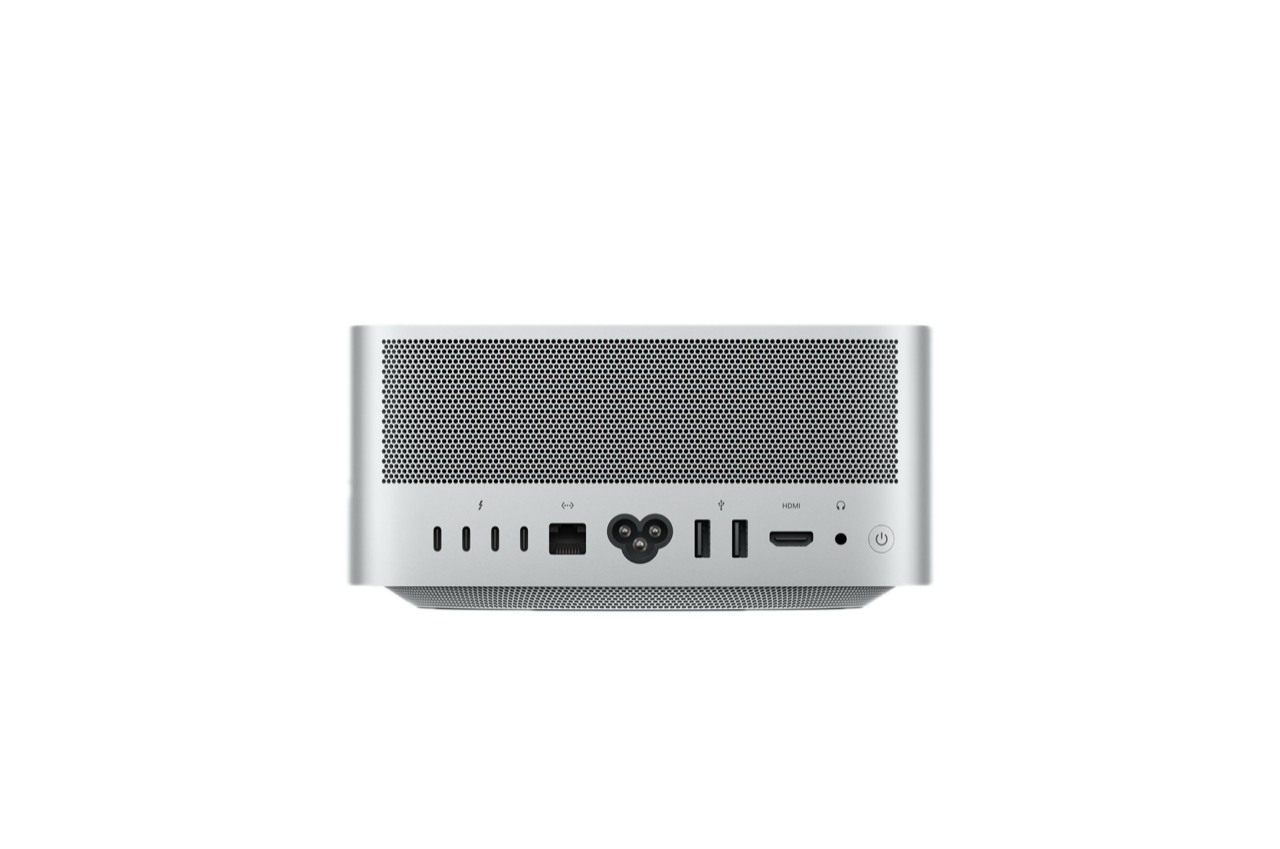
Apple
Mac Studio M3 Ultra · 512 GB
The folk hero of local AI — 671B-parameter models on a silent desk box. Discontinued new; the refurb market's hottest ticket.
- Memory
- 512 GB
- Bandwidth
- 819 GB/s
- AI perf
- M3 Ultra GPU (80-core)
was $9,499 / ≈£9,699
Discontinued — refurb and second-hand only; expect volatility
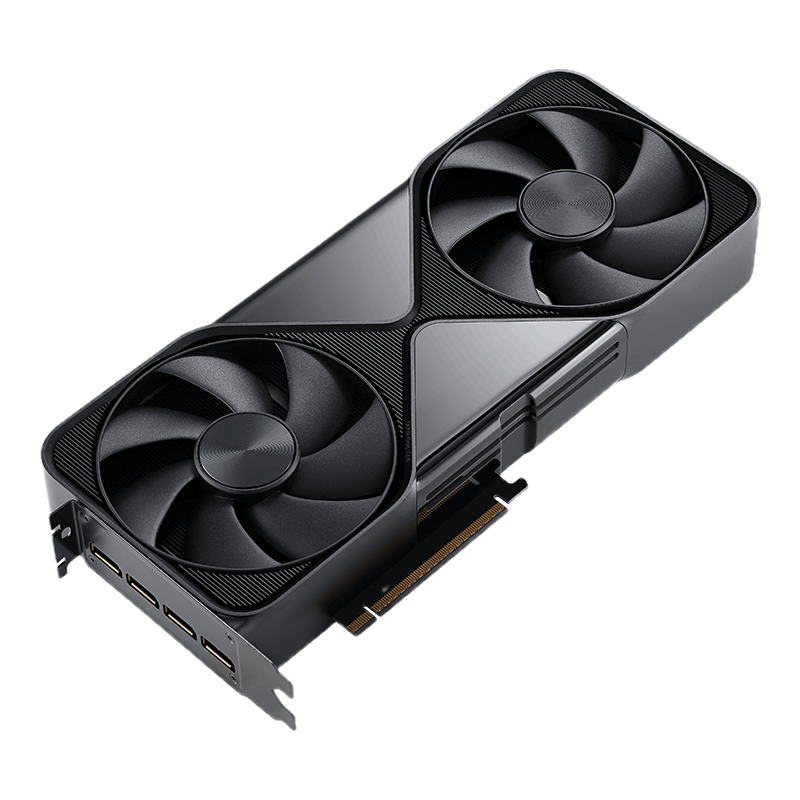
Scan 3XS / Puget / BIZON (1× card)
RTX PRO 6000 Workstation
One card, 96 GB, 1.79 TB/s: gpt-oss-120b at ~150 tok/s and QLoRA fine-tuning to 120B — the production single-GPU box.
- Memory
- 96 GB
- Bandwidth
- 1.79 TB/s
- AI perf
- 24,064 CUDA · 752 Tensor
built from ~£16k · reference £28k inc VAT
Card £11,333 inc VAT (Scan) — +55% on MSRP in the GDDR7 shortage · Scan 3XS reference build £23,333 ex VAT
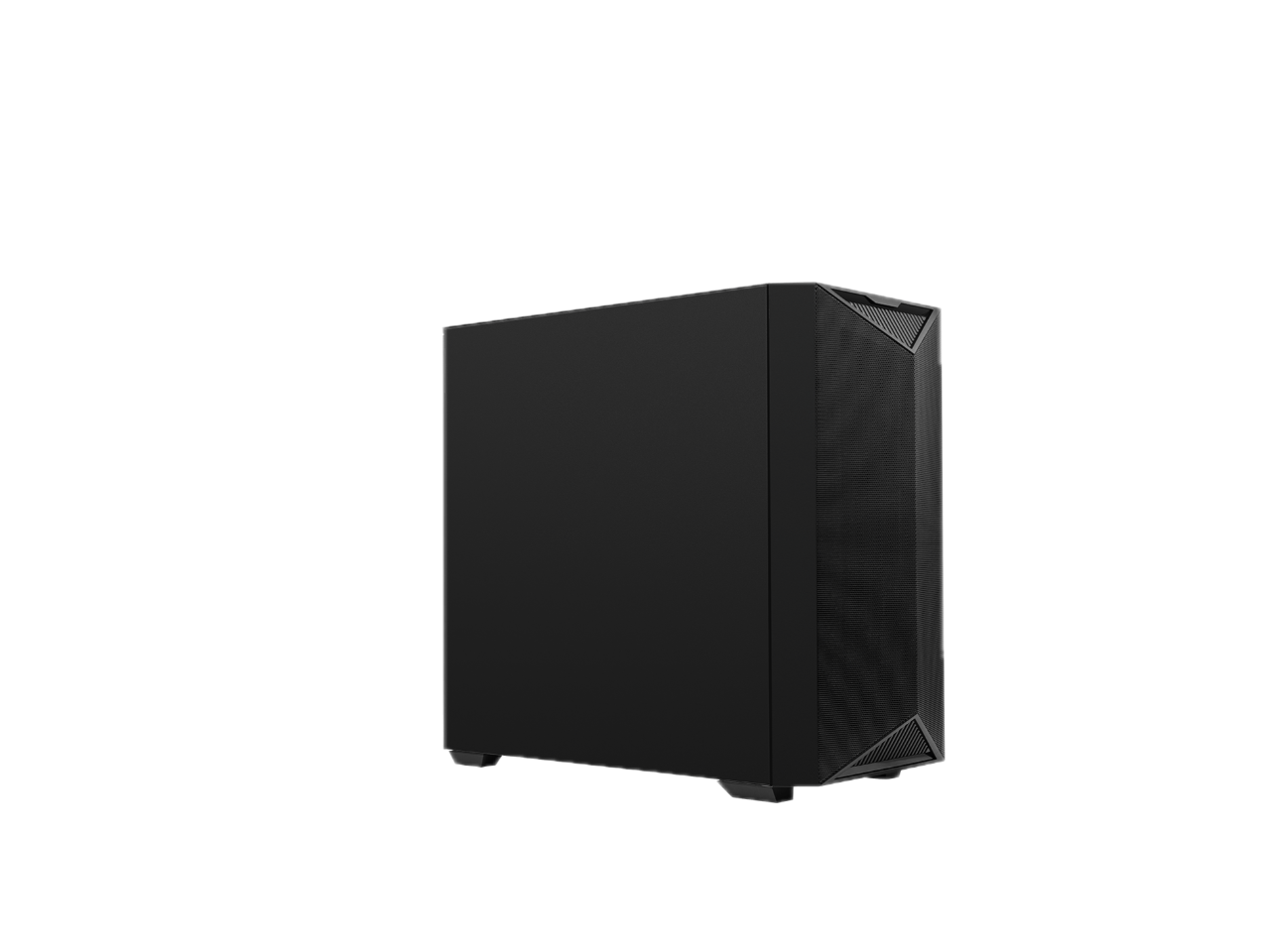
MSI
XpertStation WS300
The value flagship — the lowest published MSRP in the GB300 family, aimed squarely at sovereign-AI and private-lab buyers.
- Memory
- 748 GB
- Bandwidth
- 7.1 TB/s
- AI perf
- 20 PFLOPS FP4
$85,000 MSRP
Street $96,996 (CDW) · UK quote-only — lowest published price in the family
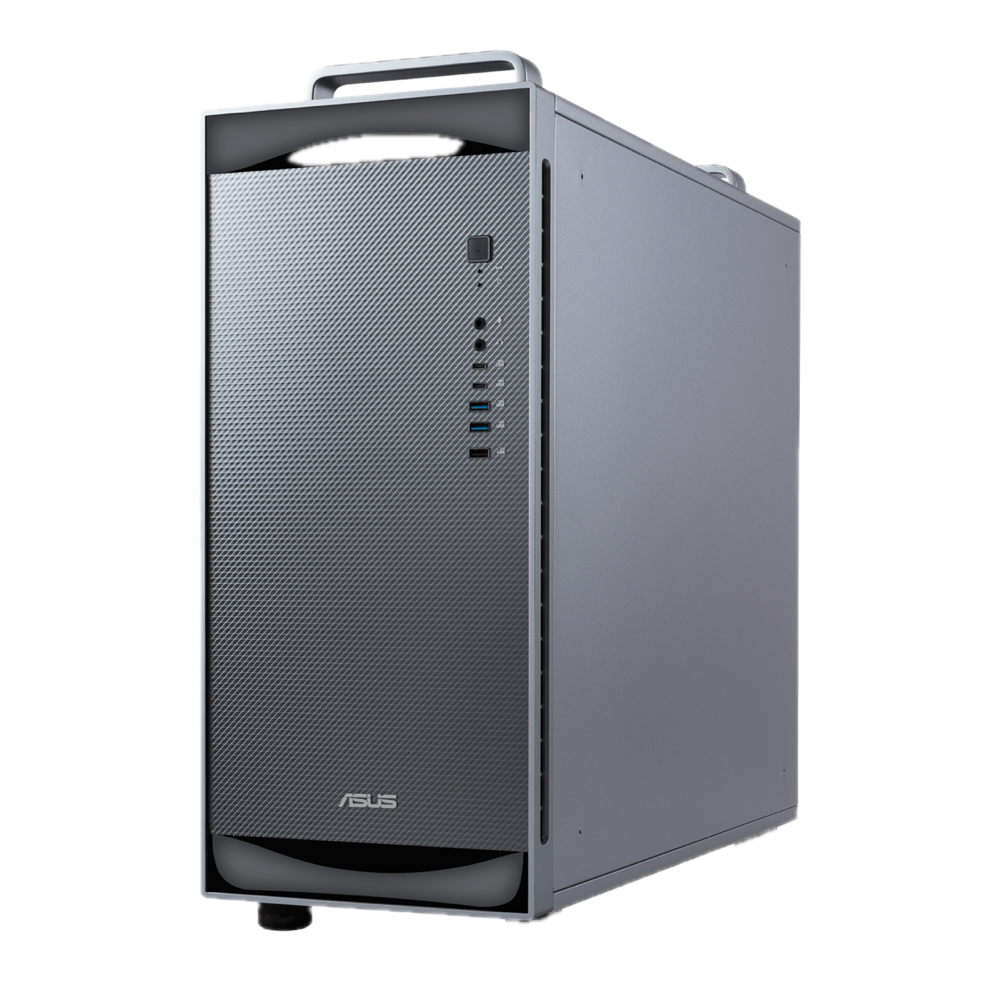
ASUS
ExpertCenter Pro ET900N G3
The only GB300 Station with a verified UK sticker price — £117,599.99 — plus PCIe 6.0 data slots and a public Windows commitment.
- Memory
- 748 GB
- Bandwidth
- 7.1 TB/s
- AI perf
- 20 PFLOPS FP4
£117,599.99 inc VAT
The only verified UK list price in the family · US $99,999
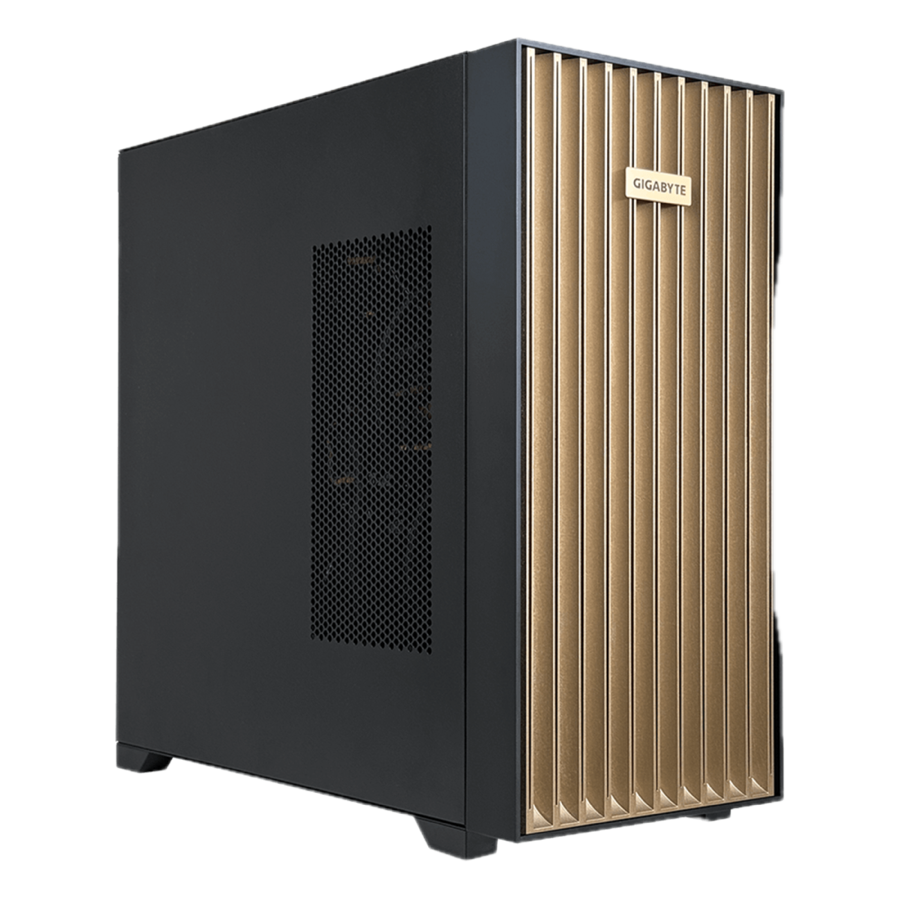
Gigabyte
W775-V10-L01
The straight-down-the-line reference tower — listed US pricing at $123,500 through server integrators.
- Memory
- 748 GB
- Bandwidth
- 7.1 TB/s
- AI perf
- 20 PFLOPS FP4
$123,500
US integrator list (Rackmount Pro) · UK quote-only
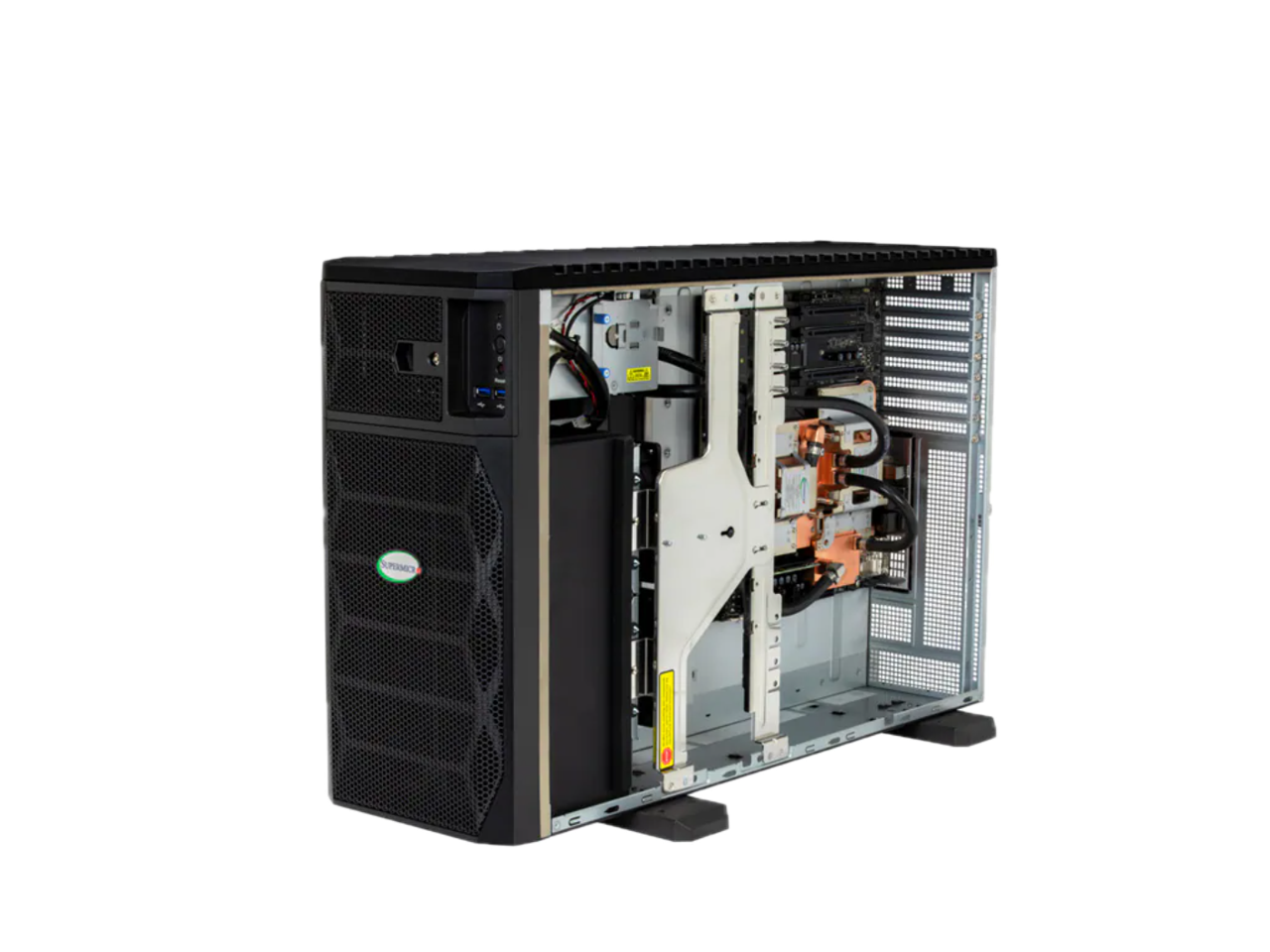
Supermicro
Super AI Station ARS-511GD-NB-LCC
The only liquid-cooled GB300 Station — near-silent, built for 24/7 duty, with an optional 5U rackmount conversion.
- Memory
- 748 GB
- Bandwidth
- 7.1 TB/s
- AI perf
- 20 PFLOPS FP4
$125,990
Newegg US · liquid-cooled variant · UK/EU quote-only
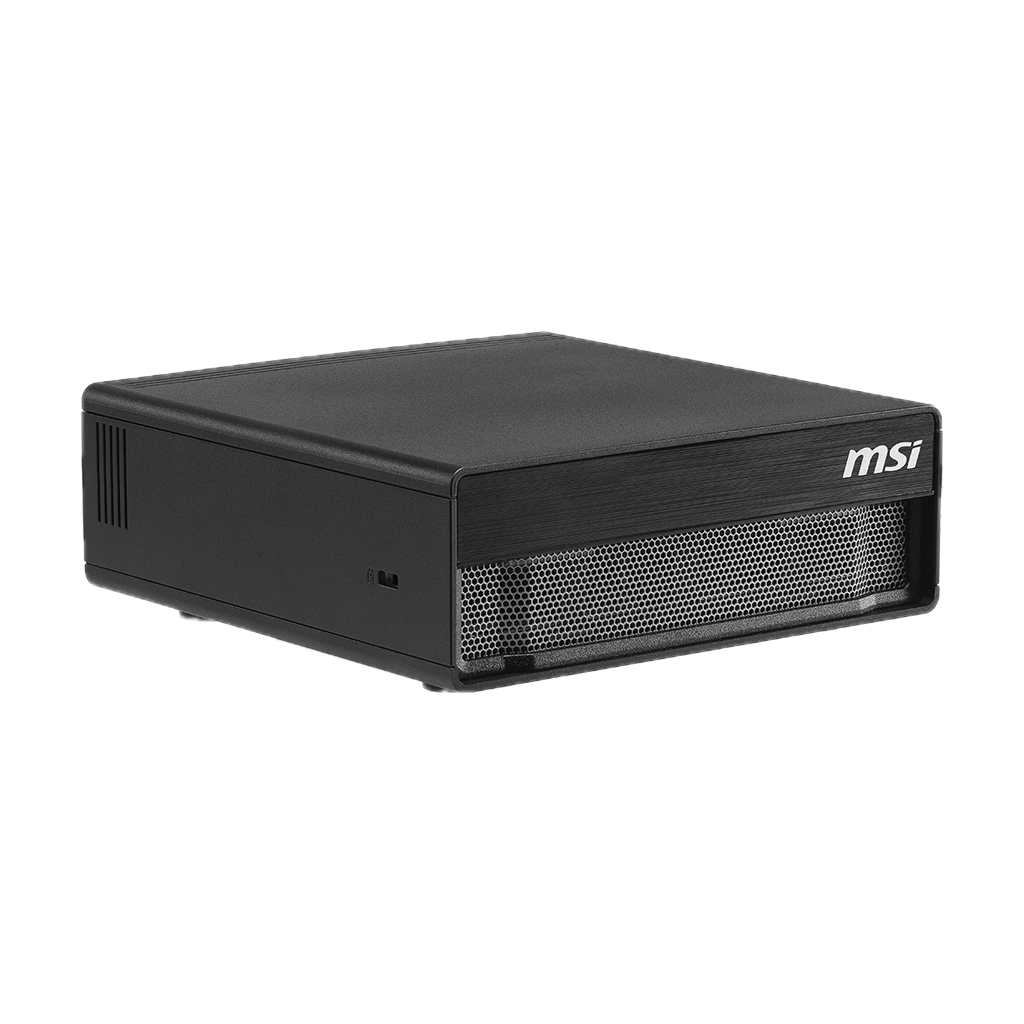
MSI
EdgeXpert MS-C931
The clustering-friendly build — a QSFP cable in the box on Gen5 SKUs, sold through both retail and industrial channels.
- Memory
- 128 GB
- Bandwidth
- 273 GB/s
- AI perf
- 1 PFLOP FP4
from ~£3,949 inc VAT
idealo best UK price · Ballicom £4,723.33 (4 TB)
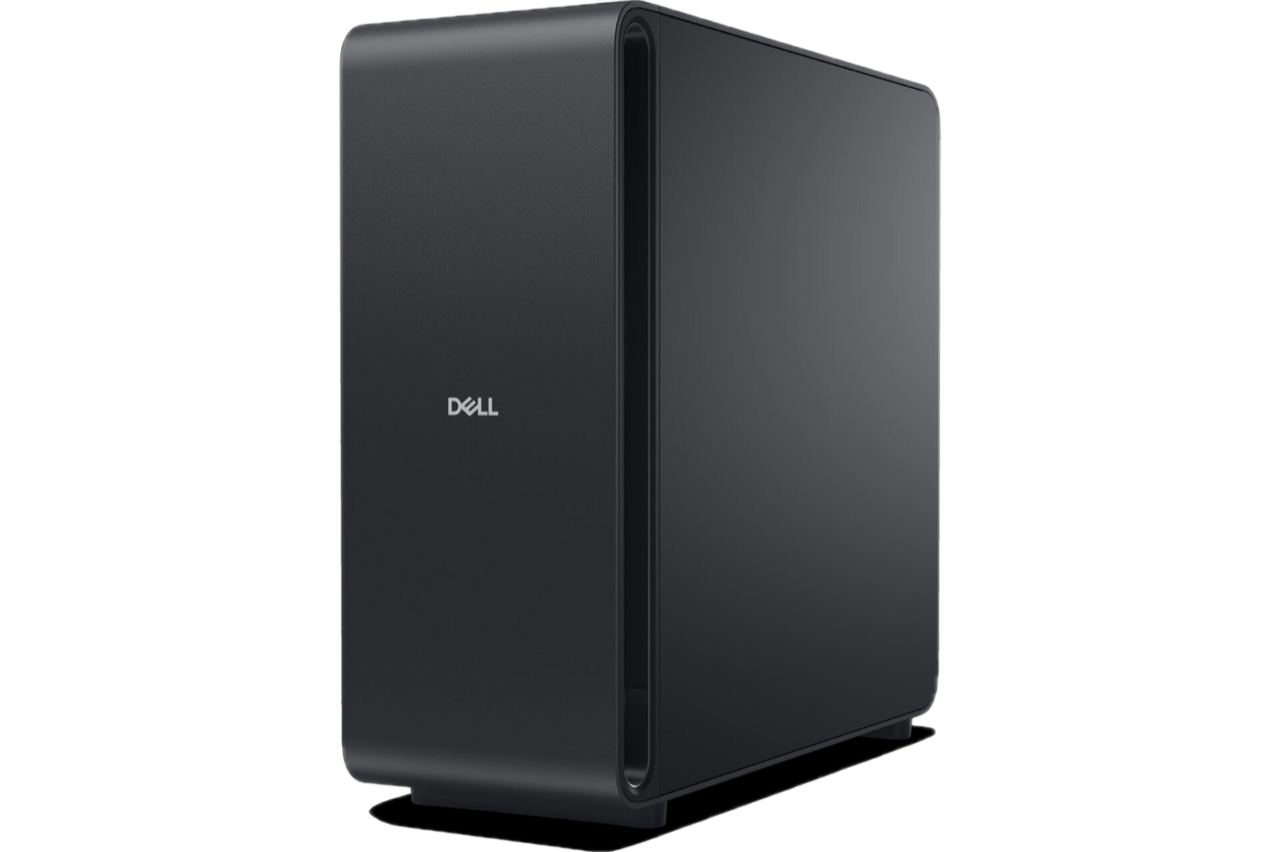
Dell
Pro Max with GB300
The enterprise-services build — 16 TB of storage and a bundled RTX PRO 2000 display GPU, priced only by conversation.
- Memory
- 748 GB
- Bandwidth
- 7.1 TB/s
- AI perf
- 20 PFLOPS FP4
Quote-only
Dell declined to publish pricing — family range $85k–$126k is the anchor
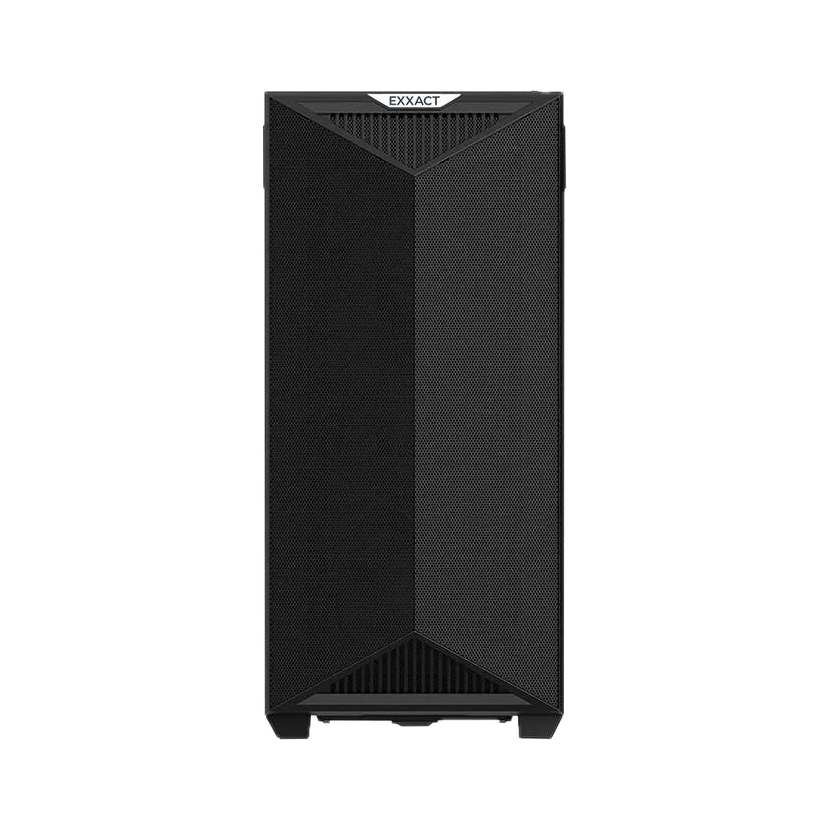
Exxact
Valence VWS-158270643
The build-to-order Station — a US integrator's take on the GB300 platform, configured to spec rather than sold off a shelf.
- Memory
- 748 GB
- Bandwidth
- 7.1 TB/s
- AI perf
- 20 PFLOPS FP4
Quote-only
Build-to-order US integrator — price against the $85k–$126k family range
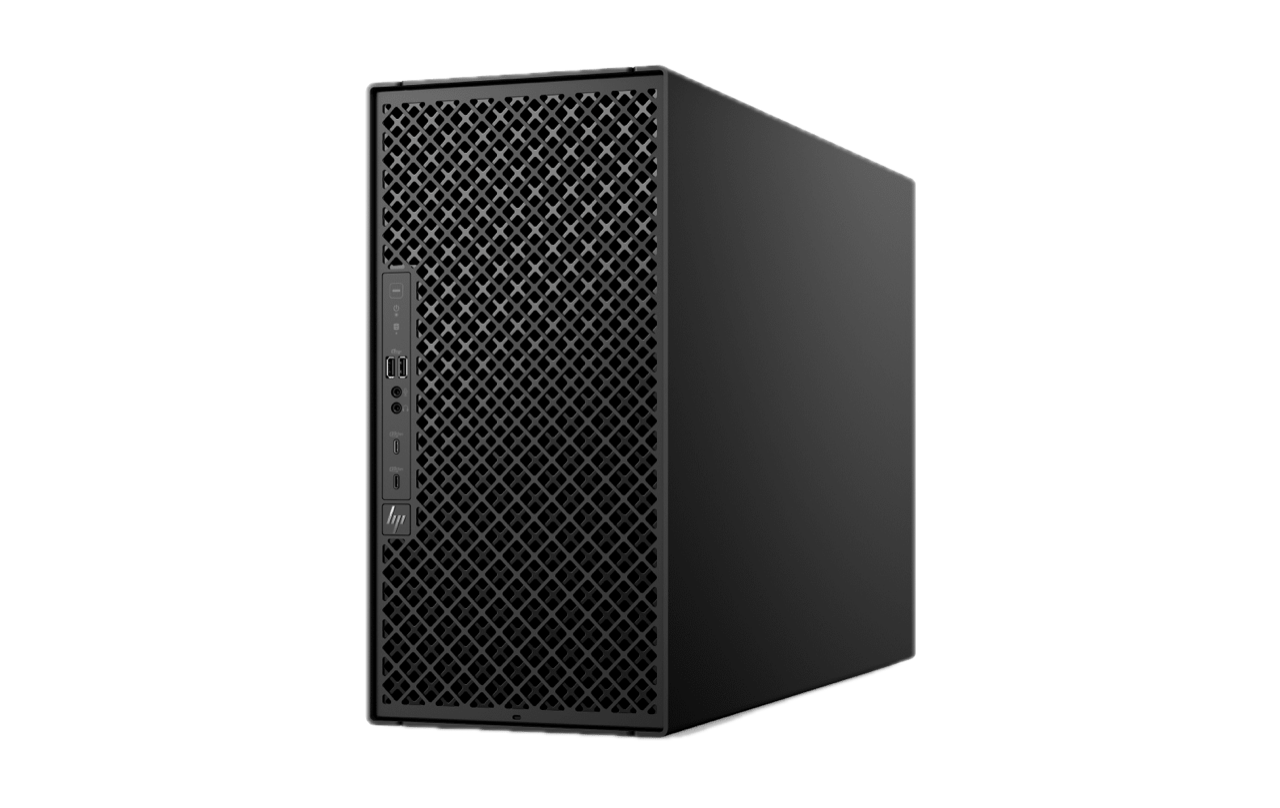
HP
ZGX Fury AI Station G1n
The Windows-first Station — 'the most powerful Windows AI PC ever built', arriving late 2026. Register interest, don't wait on it.
- Memory
- 748 GB
- Bandwidth
- 7.1 TB/s
- AI perf
- 20 PFLOPS FP4
TBA — pre-order
Hardware ~Aug 2026, Windows edition Q4 2026 · press expectation ~$94k+
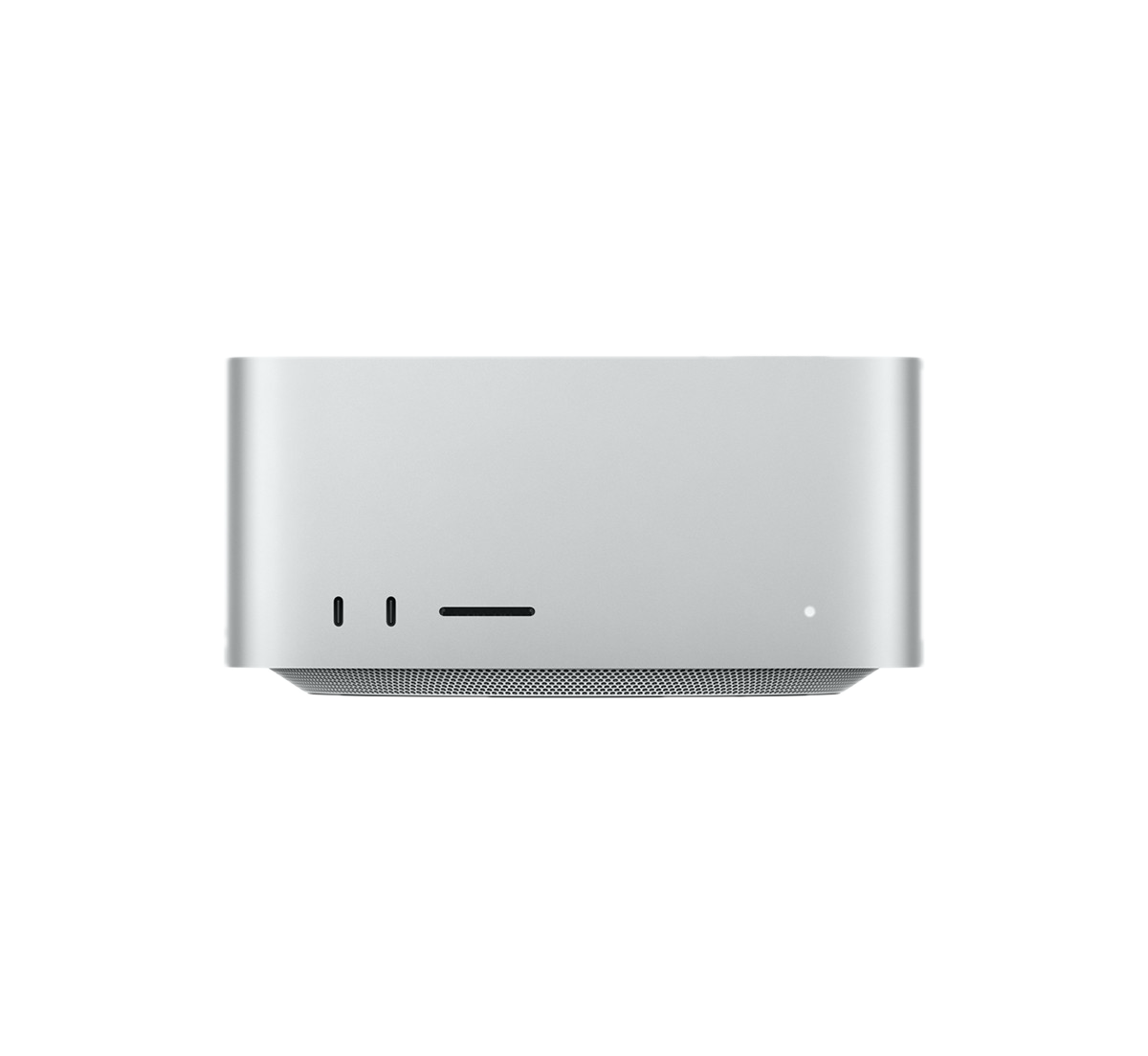
Apple
Mac Studio M3 Ultra · 96 GB
819 GB/s of unified-memory bandwidth in a silent 3.6 kg box — the fastest desk-tier memory in this catalogue, buyable today.
- Memory
- 96 GB
- Bandwidth
- 819 GB/s
- AI perf
- M3 Ultra GPU
£5,299 inc VAT
Apple RRP since 25 Jun 2026 price rise (was £4,199) · 13–14 week lead times reported
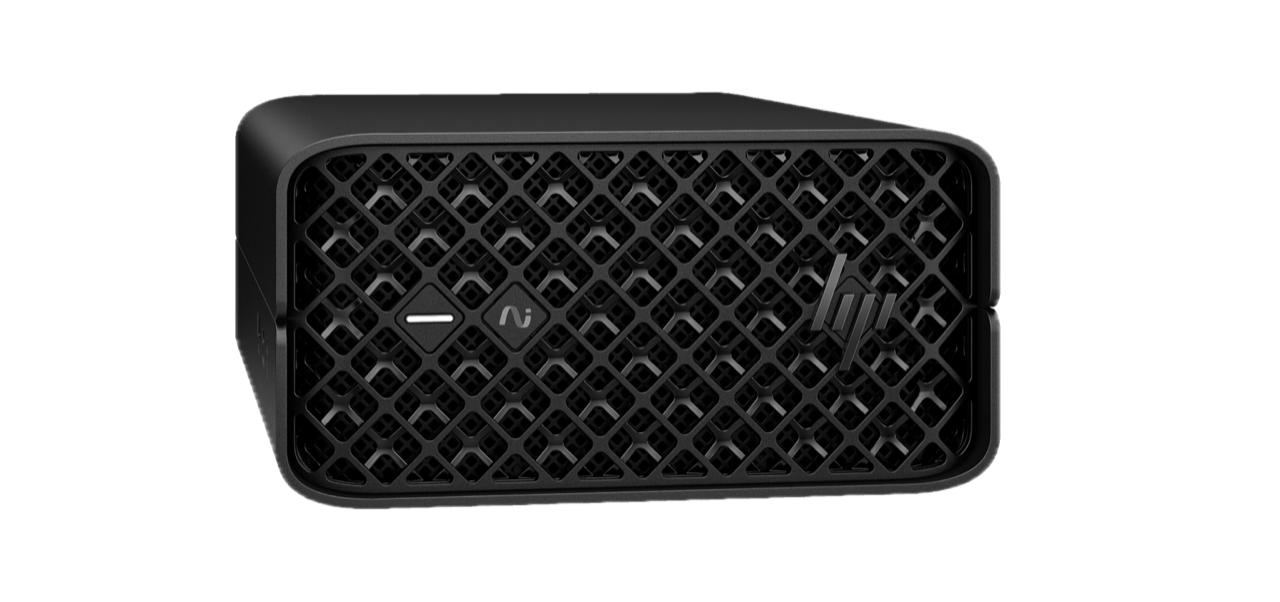
HP
Z2 Mini G1a
The corporate Strix Halo — a 2.7-litre workstation with tier-1 warranty, in stock in the UK at £2,663.99.
- Memory
- 128 GB
- Bandwidth
- 256 GB/s
- AI perf
- 40-CU RDNA 3.5
£2,663.99 inc VAT
hp.com/gb-en list (128 GB/2 TB) — seen at £2,397 with promo codes
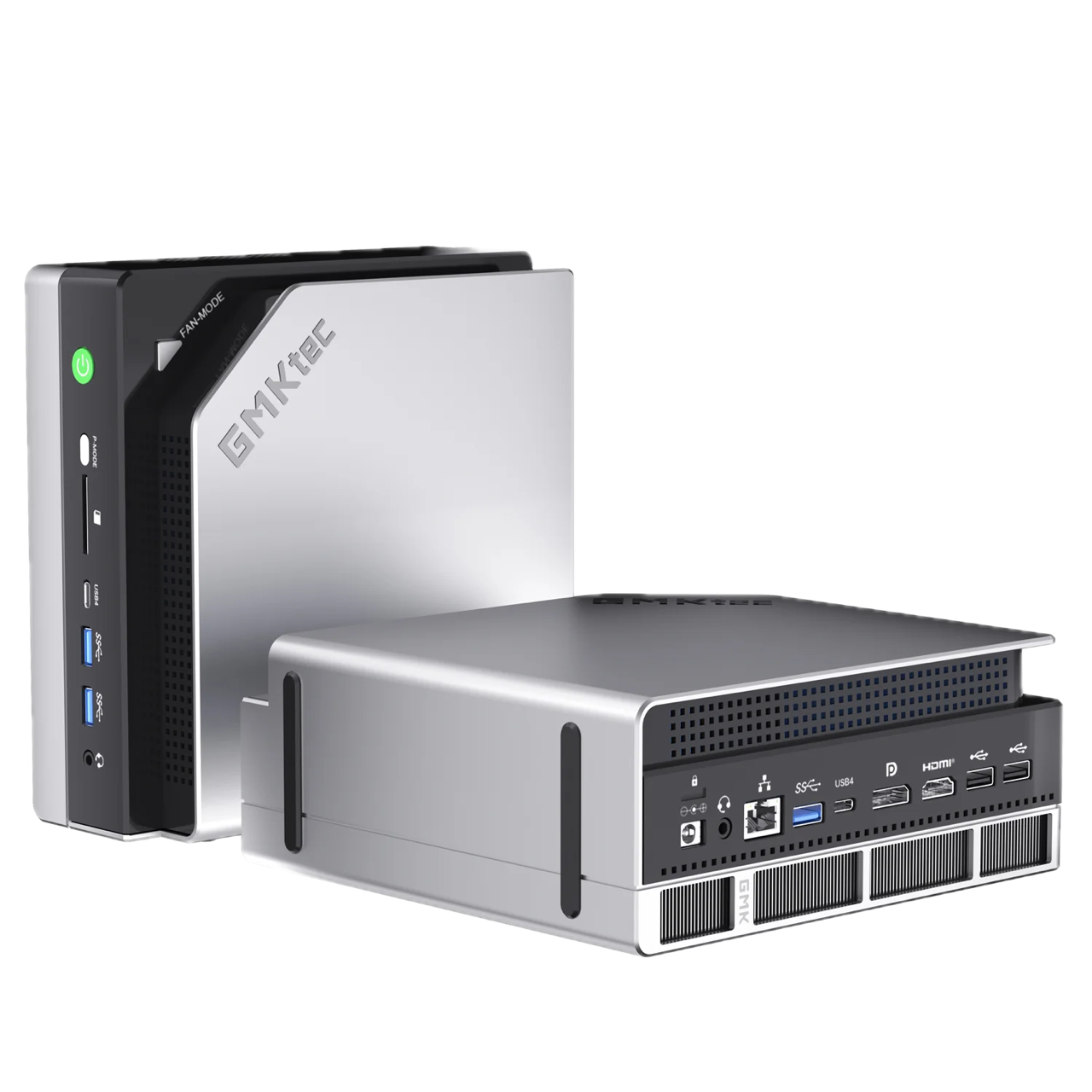
GMKtec
EVO-X2
The cheap seat — 128 GB of unified memory from ~£1,660, if you can live with consumer-grade support.
- Memory
- 128 GB
- Bandwidth
- 256 GB/s
- AI perf
- 40-CU RDNA 3.5
£2,099 inc VAT
128 GB/2 TB verified (Amazon UK) · gmktec.uk shows £1,659.99 (tier ambiguous)
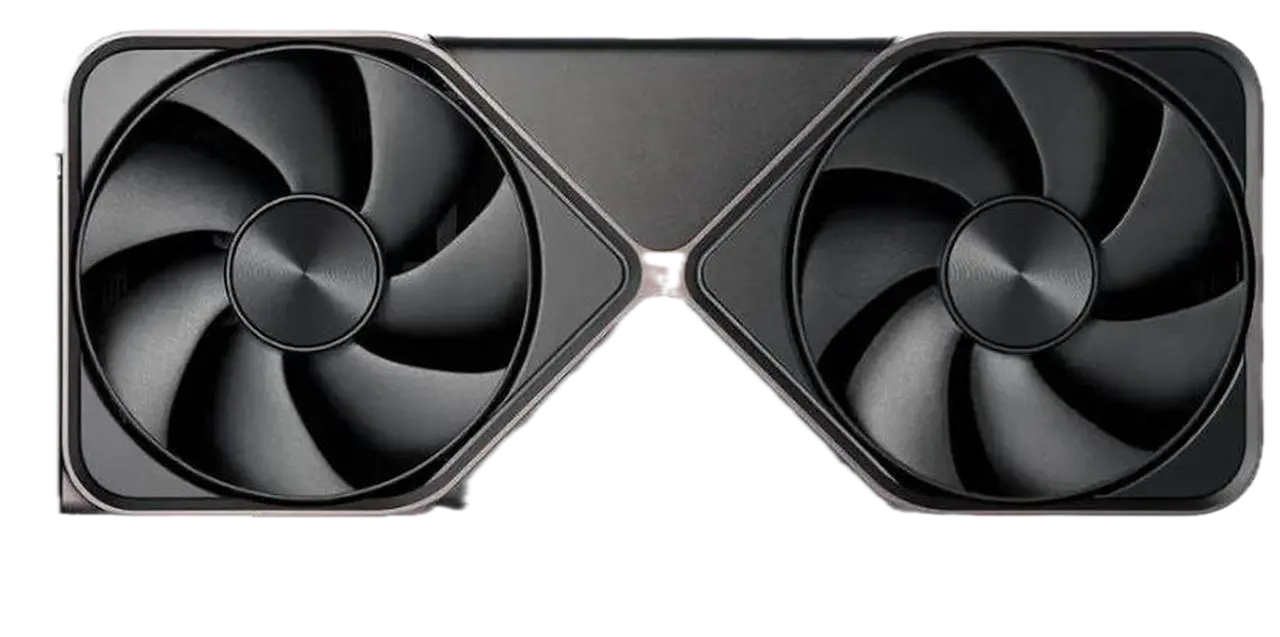
Custom build (Scan 3XS / integrators)
RTX 5090 Workstation
32 GB of GDDR7 at 1.79 TB/s — the fastest sub-£7k tokens in this catalogue, for models that fit.
- Memory
- 32 GB
- Bandwidth
- 1.79 TB/s
- AI perf
- Blackwell consumer flagship
built from ~£5–7k
Card from £2,899 (Overclockers UK, Jul 2026 — up ~55% on launch MSRP)
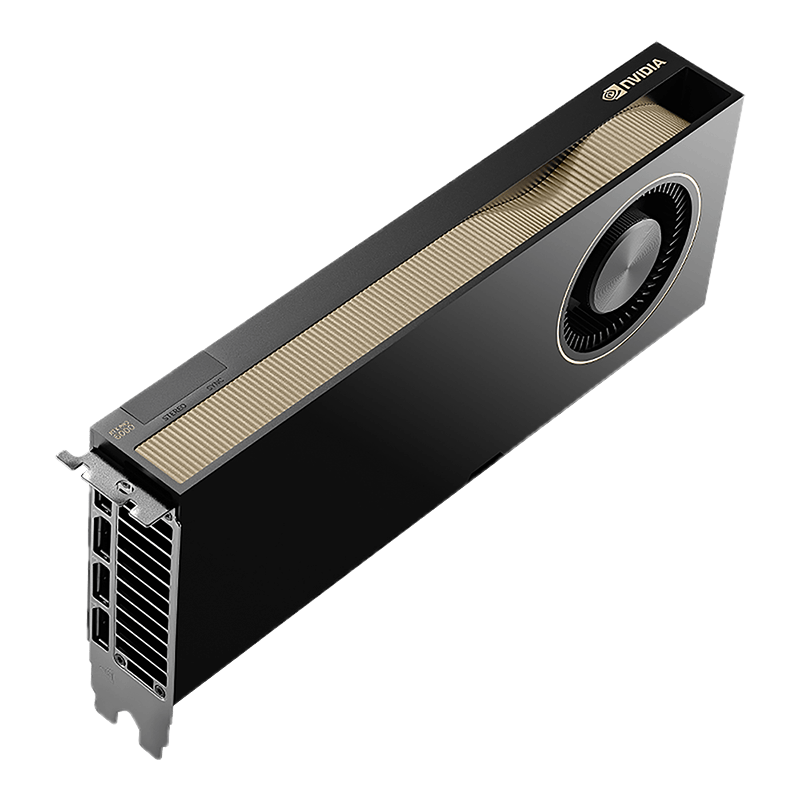
Scan 3XS (GWP-A2-TR64)
RTX PRO 6000 Dual Workstation
192 GB of VRAM at £37k — the cheapest machine that serves DeepSeek V4 Flash's native checkpoint, and 125+ concurrent chat users.
- Memory
- 192 GB
- Bandwidth
- 1.79 TB/s
- AI perf
- 2× Blackwell (48k CUDA)
£36,999.98 inc VAT
Scan 3XS GWP-A2-TR64, listed price — UK-built
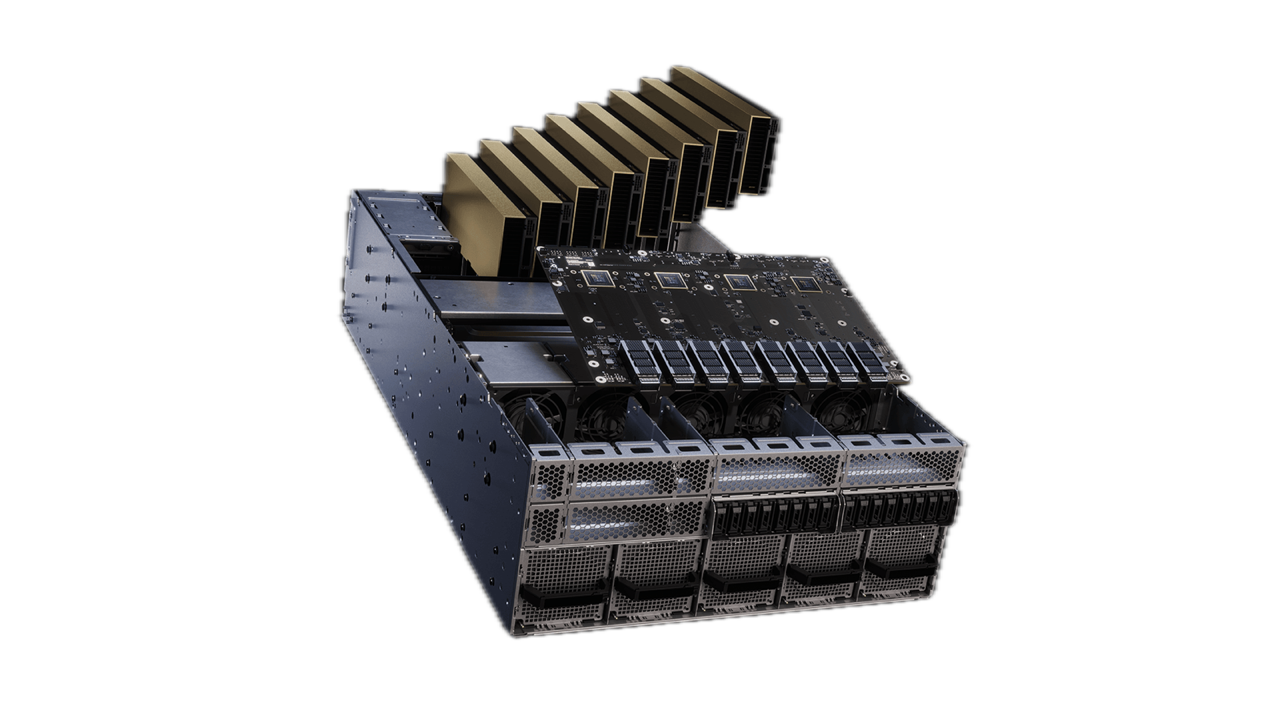
Supermicro / Gigabyte / Exxact
RTX PRO 6000 Server (4×–8×)
384–768 GB of VRAM in a rack — passive Server Edition cards, colocation power, and every open model on the list.
- Memory
- 768 GB
- Bandwidth
- 1.79 TB/s
- AI perf
- 8× Blackwell SE
POA
Component maths: 4× ≈ £55–75k · 8× ≈ £110–150k+ ex VAT — all vendors quote-led
Prices move monthly in the current memory shortage — every figure is dated, and quotes carry validity windows.
Full cataloguePick the model. Find the machine.
Select an open-weight model and see where its 4-bit weights genuinely fit — with headroom for context and serving, not marketing fit.
Custom build (Scan 3XS / integrators)
RTX 5090 Workstation
Apple
Mac Studio M3 Ultra · 96 GB
Scan 3XS / Puget / BIZON (1× card)
RTX PRO 6000 Workstation
Lenovo
ThinkStation PGX
Framework
Framework Desktop
Scan 3XS (GWP-A2-TR64)
RTX PRO 6000 Dual Workstation
Apple
Mac Studio M3 Ultra · 512 GB
MSI
XpertStation WS300
Supermicro / Gigabyte / Exxact
RTX PRO 6000 Server (4×–8×)
Fit is computed on 4-bit weights against total model-visible memory, reserving ~25%+ headroom for KV cache, context and the serving runtime before we call it comfortable. Linked-unit fits apply the same ceiling to the pooled memory of machines whose vendor documents a real interconnect — and only up to the unit count that interconnect supports. Bandwidth still governs speed — a model that merely fits is not always a model that flies.
Where per-token stops making sense
Drag the sliders to your volumes. The API line compounds forever; the hardware line is capex plus electricity. The crossover is the business case — or the proof you don't have one yet.
A busy 8-agent fleet runs 5–20M tokens a day.
Published July-2026 list rates (e.g. Opus 4.8 $5/$25 · GPT-5.5 $5/$30 · Gemini 3.1 Pro $2/$12 per M tokens), blended 3:1 input:output, converted at $1.34/£ — or drag for a custom rate.
Hardware
Cumulative cost, 36 months
API £1k/mo · power £21/mo
Break-even at month 5. After that, this box saves ~£13k/year against the API at this volume.
Honest assumptions: 27p/kWh UK business electricity at 45% average utilisation; excludes your ops time, cooling and the open-vs-closed capability gap — which is exactly what we assess in an audit before recommending either path.
Same governance. Different landlord.
A self-hosted model slots in beneath the same MCP boundary the whole Usermode platform runs on. Your agents keep their tools, their memory, their approval gates and their audit ledger — they simply stop paying rent on every token.
That’s the difference between buying a GPU and buying a working system: the metal is layer one of four, and the other three are where the reliability lives.
How the governance worksYour silicon
layer 1 / 4GB300 station, Spark, Mac Studio, RTX PRO — sized to your models, racked or deskside.
748 GB coherenton-premno egressServing layer
layer 2 / 4Open weights stood up behind an OpenAI-compatible endpoint — quantised, evaluated, versioned.
vLLMNVIDIA NIMllama.cpp / MLXMCP boundary
layer 3 / 4The same tool boundary the whole platform runs on. Agents see tools, not vendor APIs — or GPUs.
tool policysigned sendsaudit ledgerGoverned fleet
layer 4 / 4Your agents keep their memory, gates and evals. They just stop paying rent on every token.
named specialistsapproval gatesevals in CI
Supplied, stood up, developed, supported
Four services that turn a hardware order into a working sovereign-AI capability. Take the full stack or the pieces you need.
Specify & supply
We size the silicon to your actual token volumes and models — not the biggest invoice — then procure, build and install it.
- Workload & token audit
- Hardware specification and procurement
- Racking, networking, power planning
- Purchase or 3–5 year finance lease
Model stand-up
Open weights selected, quantised, evaluated and served behind an OpenAI-compatible endpoint your systems already understand.
- Model selection & licence check
- vLLM / NIM / MLX serving layer
- Golden-trace evals before go-live
- Version-pinned, rollback-ready
LLM development
Custom capability on your own metal: fine-tunes on your corpus, RAG over your documents, agents wired to your systems.
- LoRA / QLoRA fine-tuning to 120B
- RAG pipelines over your corpora
- MCP tool wiring to your systems
- Eval-driven development, CI-gated
Run & support
We keep it serving: monitoring, upgrades, capacity planning and the model-refresh cycle as open weights improve.
- Monitoring & incident response
- Model refresh & re-evaluation
- Capacity planning as usage grows
- Hardware warranty management
How an engagement runs
Starts with the same £2,500 AI Readiness Audit as everything we do — credited against any engagement within 30 days.
- step 1
Audit
Measure real token volumes, workloads and data constraints. Model the buy-vs-rent line with your numbers.
- step 2
Specify
Match models to workloads, silicon to models. A written spec with purchase and lease pricing.
- step 3
Stand up
Install, serve, evaluate. Golden traces prove the local model does the job before anything cuts over.
- step 4
Run
Monitor, refresh, re-evaluate. The open-weight world moves fast — your stack keeps up on schedule.
Asked before every self-hosted engagement
Can self-hosted models fully replace our frontier API models?
Sometimes — and where they can't, we say so. The best open weights in mid-2026 sit at parity with closed frontier models on mainstream coding, drafting and agentic work, but a measurable gap remains on the hardest reasoning. Most engagements land on a hybrid: local models for volume, privacy-sensitive and routine work; frontier APIs for the judgement calls that justify their price. The audit measures your actual workloads against both before we recommend hardware.
Which machine should we start with?
For most organisations: a £2–5k unified-memory box (Strix Halo or DGX Spark) to prove the workload, then a production tier sized from the pilot's real numbers — typically a single or dual RTX PRO 6000 workstation for department-scale serving, or a GB300 Station where the biggest open weights need to live on-premises. We spec from measured token volumes, not the top of the price list.
Who runs it once it's installed?
Either of us. Most clients take the Run & Support service — we monitor, patch, evaluate and refresh models as the open-weight landscape moves. If you have the engineering bench, we hand over a documented, version-pinned stack with runbooks and evals, and stay on call.
What does the power and hosting picture look like?
Desk and deskside machines (up to a dual-GPU workstation at ~2 kW) run from a standard UK 13 A socket — the practical questions are heat and noise placement, which we plan with you. GB300 Stations draw up to 1,600 W and are deskside-friendly. Racked 4×–8× GPU servers are colocation or comms-room machines at 5–6.5 kW, and we scope hosting as part of the engagement.
Can we lease the hardware instead of buying it?
Yes. AI hardware is routinely financed on 3–5 year business finance leases — on a £98k GB300-class station that's roughly £2,000–£2,200 + VAT a month over five years at typical SME rates, with rentals normally allowable as an operating expense. We include purchase and lease options in every proposal; for fast-depreciating silicon we'll often recommend the shorter term or a refresh clause, and your accountant gets the final word on treatment.
What happens when the model we deploy is superseded?
It will be — open-weight leadership changed hands five times in the first half of 2026. That's why we sell the serving layer, not the model: your agents talk to a versioned endpoint behind the MCP boundary, evals define what 'good' means for your workloads, and a model swap is a re-evaluation exercise, not a rebuild. Memory headroom is sized so the next generation fits the same metal.
Is our data really safer on-premises?
For data-residency and third-party-access risk, yes, structurally: tokens that never leave your building cannot be retained, subpoenaed or trained on by anyone else. But on-premises is necessary, not sufficient — you still need lawful basis, access control, hardened serving and audit trails. That's the same governance layer the rest of our platform runs, which is exactly the point.
Do you sell hardware on its own?
We can, and the catalogue prices are honest enough to shop from. But the value is the working system: silicon plus models plus evals plus governance plus support. If you only want tin, we'll still make sure you buy the right tin.
Put a number on bringing the model home
The £2,500 AI Readiness Audit measures your real token volumes and models the buy-vs-rent crossover with your numbers — credited in full against any engagement within 30 days.