RTX PRO 6000 Workstation
One card, 96 GB, 1.79 TB/s: gpt-oss-120b at ~150 tok/s and QLoRA fine-tuning to 120B — the production single-GPU box.
Price
built from ~£16k · reference £28k inc VAT
Card £11,333 inc VAT (Scan) — +55% on MSRP in the GDDR7 shortage · Scan 3XS reference build £23,333 ex VAT
verified 2026-07 · supply & lease options in every proposal
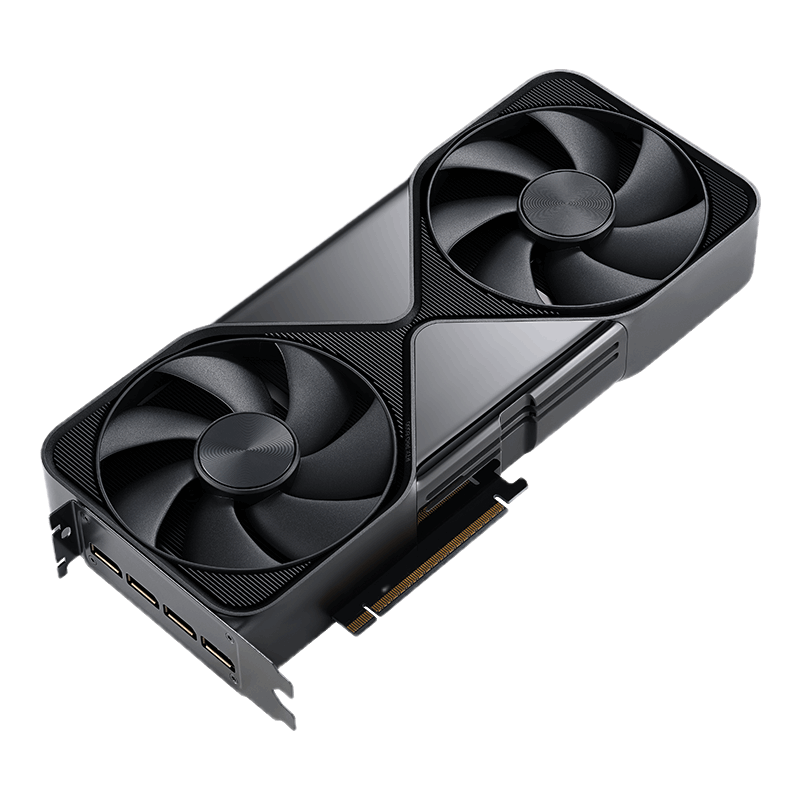 Scan 3XS / Puget / BIZON (1× card)
- 96 GB
- GDDR7 ECC VRAM
- 1.79 TB/s
- Memory bandwidth
- ~150 tok/s
- gpt-oss-120b
- 600 W
- Card power
largest of any PCIe card
6.5× a DGX Spark
single-stream, verified
Max-Q variant: 300 W
The RTX PRO 6000 Blackwell is the definitive self-hosted inference card of 2026: 96 GB of ECC GDDR7 at 1.79 TB/s serves gpt-oss-120b whole at ~150 tok/s single-stream — or thousands of tokens per second aggregate under vLLM — and QLoRA fine-tunes everything up to 120B on the one card. No successor exists or is announced; this is the card for the next two years.
UK-built systems come from Scan's 3XS line (reference build £23,333 ex VAT with a 96-core Threadripper PRO; leaner platforms bring a 1× build to ~£16k). The card alone is £11,332.99 inc VAT — up 55% on launch MSRP in the GDDR7 squeeze, so quotes carry validity windows. The 300 W Max-Q variant gives up ~13% compute for half the heat and near-identical single-stream speed.
vs its siblings: The workhorse recommendation for most production self-hosting engagements.
Memory, to scale
96 GB model-visible · bandwidth is the speed limit
GDDR7 ECC VRAM
96 GB · 1.79 TB/s
GDDR7
For scale
DGX Spark — 128 GB @ 273 GB/s
Mac Studio M3 Ultra — 512 GB @ 819 GB/s
DGX Station GB300 — 748 GB coherent
Scales 2×/4× in one chassis (PCIe 5.0 tensor-parallel — no NVLink on this card).
What it actually runs
Declared from research and benchmarks, not computed marketing — tokens-per-second figures are cited where a real measurement exists.
- gpt-oss-120bMXFP4 nativewith headroom~148–163 tok/s single · full 131k context
- Qwen3.5 122BQ4with headroom~79–101 tok/s (verified)
- Nemotron 3 SuperNVFP4with headroombuilt for this silicon
- Devstral 2Q4with headroomcoding-agent backend at speed
- Llama-70B-class denseFP8/Q4fits~25–31 tok/s single-stream
- DeepSeek V4 Flashnative FP4/FP82+ units linkedneeds the 2× build (192 GB)
The full sheet
GPU
- Card
- RTX PRO 6000 Blackwell Workstation Edition — GB202, 24,064 CUDA / 752 Tensor cores
- Memory
- 96 GB GDDR7 ECC, 512-bit, 1,792 GB/s
- Variants
- 600 W (dual-flow-through) · 300 W Max-Q (blower, for stacking) · passive Server Edition
Platform (Scan 3XS reference)
- CPU
- AMD Threadripper PRO (16–96 core to spec)
- RAM
- 256 GB DDR5 ECC typical
- Power
- 1,200 W PSU — runs on a standard UK 13 A circuit
Serving & tuning
- Stack
- vLLM · SGLang · TensorRT-LLM · llama.cpp — first-class CUDA
- Fine-tuning
- QLoRA to 120B on one card (~65 GB); LoRA 70B needs 2×
Where it shines
- The definitive inference card — nothing newer is even announced
- Production serving stack: vLLM/SGLang with real concurrency (125+ chat users on 2×)
- QLoRA fine-tuning to 120B on one card — the whole business tier
- UK-built, UK-warrantied systems from Scan 3XS
The trade-offs
- Card price up 55% since launch — the shortage is priced in
- 600 W card needs a serious PSU and cooling plan (Max-Q halves it)
- No NVLink — multi-GPU scales over PCIe only
- 96 GB caps single-card work below the 200 GB-class frontier weights
Buy this box for
Understanding RTX PRO GPU Systems
NVIDIA RTX PRO 6000 Blackwell · 96 GB GDDR7
Where unified-memory boxes optimise for capacity, the RTX PRO 6000 Blackwell optimises for speed: 1.79 TB/s of memory bandwidth is 6–7× a DGX Spark. A single card serves gpt-oss-120b at ~150 tok/s for one user — or thousands of tokens per second aggregate under vLLM batching. This is the silicon for department-scale production serving on 120B-class models, and the pragmatic fine-tuning platform: QLoRA up to 120B fits on one card, with full CUDA, vLLM, SGLang and TensorRT-LLM support.
Two cards give 192 GB — notably, enough to serve DeepSeek V4 Flash's native FP4/FP8 checkpoint, the most capable open model that fits a workstation. Four give 384 GB; beyond that the passive Server Edition scales to 8 GPUs in a rack chassis for colocation. UK-built systems come from Scan's 3XS line with local warranty and support.
Buyers should know the market context: the GDDR7 shortage pushed the card from its $8,565 launch MSRP to ~$13,250 (+55%) by mid-2026 — about £11,300 inc VAT in the UK — and no successor exists or is announced. The Max-Q variant (300 W) sacrifices ~13% compute for half the power and heat, and since LLM decode is bandwidth-bound, its single-stream speed is nearly identical — it is the card of choice for dense multi-GPU builds.
Siblings on the same silicon
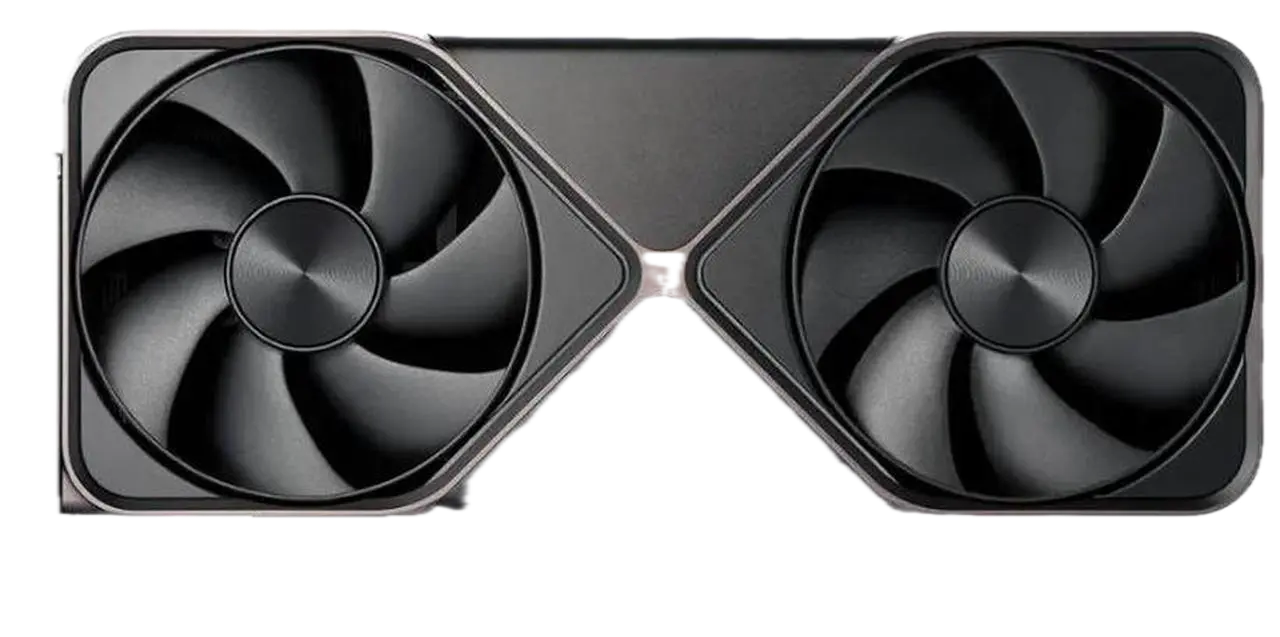
Custom build (Scan 3XS / integrators)
RTX 5090 Workstation
32 GB of GDDR7 at 1.79 TB/s — the fastest sub-£7k tokens in this catalogue, for models that fit.
- Memory
- 32 GB
- Bandwidth
- 1.79 TB/s
- AI perf
- Blackwell consumer flagship
built from ~£5–7k
Card from £2,899 (Overclockers UK, Jul 2026 — up ~55% on launch MSRP)
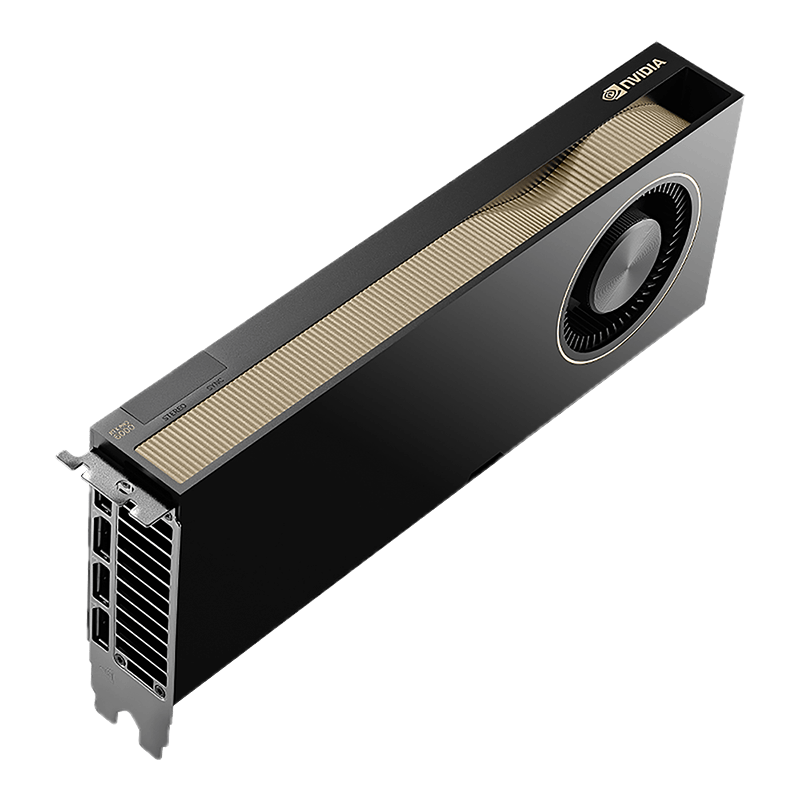
Scan 3XS (GWP-A2-TR64)
RTX PRO 6000 Dual Workstation
192 GB of VRAM at £37k — the cheapest machine that serves DeepSeek V4 Flash's native checkpoint, and 125+ concurrent chat users.
- Memory
- 192 GB
- Bandwidth
- 1.79 TB/s
- AI perf
- 2× Blackwell (48k CUDA)
£36,999.98 inc VAT
Scan 3XS GWP-A2-TR64, listed price — UK-built
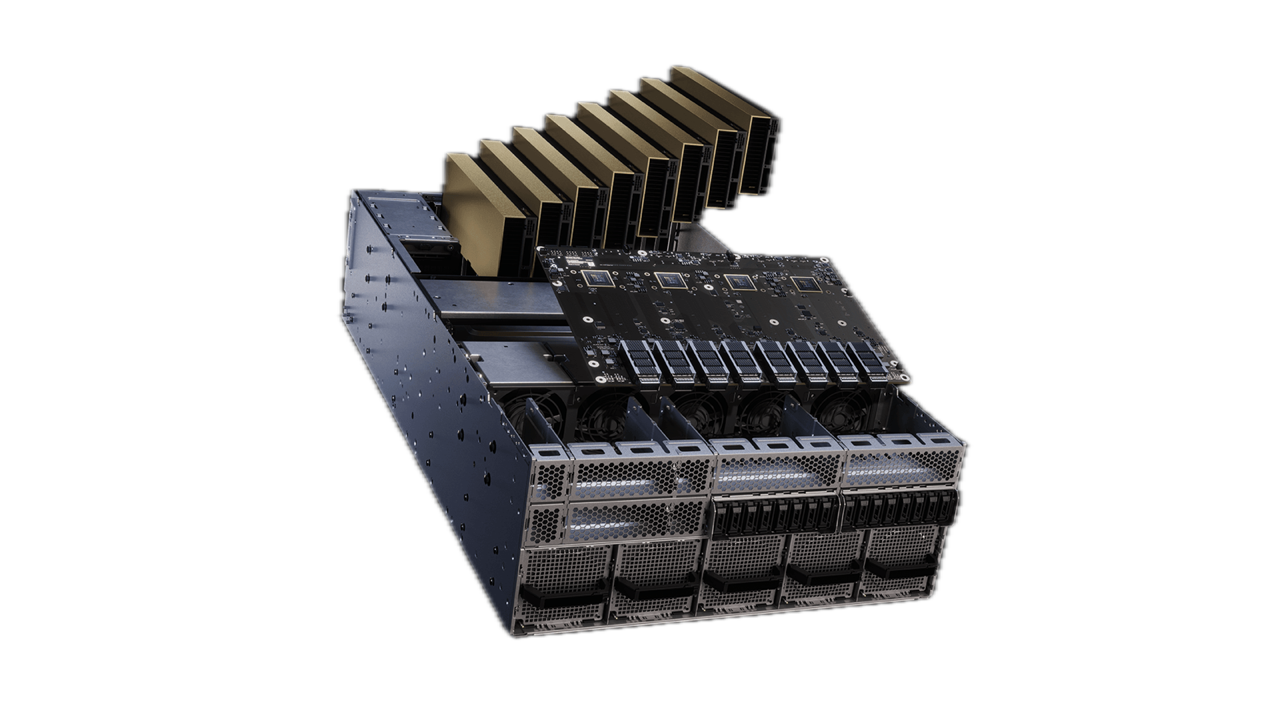
Supermicro / Gigabyte / Exxact
RTX PRO 6000 Server (4×–8×)
384–768 GB of VRAM in a rack — passive Server Edition cards, colocation power, and every open model on the list.
- Memory
- 768 GB
- Bandwidth
- 1.79 TB/s
- AI perf
- 8× Blackwell SE
POA
Component maths: 4× ≈ £55–75k · 8× ≈ £110–150k+ ex VAT — all vendors quote-led
Sources & verification
Specifications and prices verified 2026-07 against the sources below. The memory shortage is repricing this market monthly — we re-verify at quote.
Compare against the rest of the catalogue, or have us spec it against your workloads.
Back to catalogueSpec the RTX PRO 6000 Workstation for your workload
We'll size it against your real token volumes, quote supply and lease options, and stand up the models with evals that prove they do the job — or tell you honestly that a different box (or the API) wins.