ExpertCenter Pro ET900N G3
The only GB300 Station with a verified UK sticker price — £117,599.99 — plus PCIe 6.0 data slots and a public Windows commitment.
Price
£117,599.99 inc VAT
The only verified UK list price in the family · US $99,999
verified 2026-07 · supply & lease options in every proposal
 ASUS
ASUS- 748 GB
- Coherent memory
- 7.1 TB/s
- HBM3e bandwidth
- 20 PFLOPS
- Sparse FP4 compute
- 1,600 W
- Max power
252 GB HBM3e + 496 GB LPDDR5X
26× a DGX Spark
NVFP4, Blackwell Ultra
standard UK 13 A socket
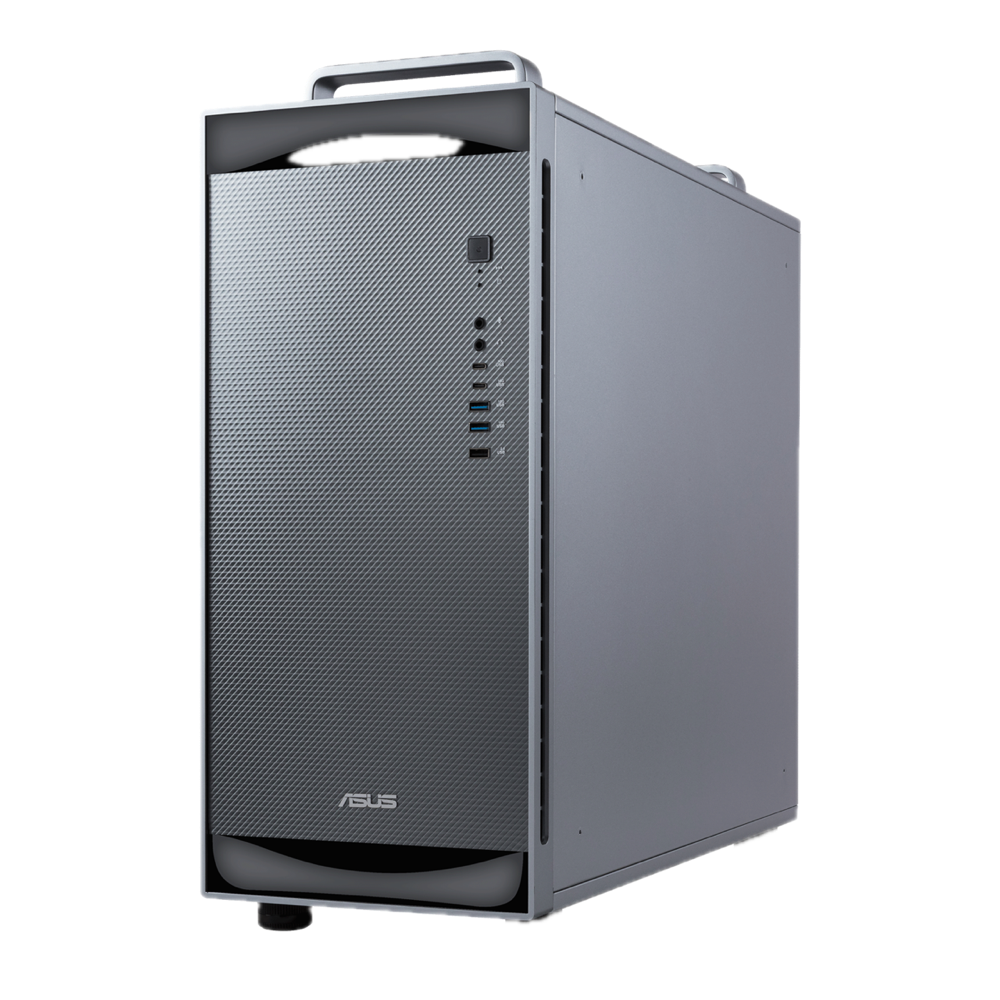
ASUS published what everyone else quotes privately: $99,999 in the US and £117,599.99 inc VAT in the UK — the one verified British list price in the family, and the anchor for every Station negotiation.
The build is distinctive too: two Gen5 system drives in RAID 1 plus two PCIe 6.0 M.2 data slots (unique in the family), a 1,600 W Titanium PSU in a 27 kg air-cooled tower, and a public commitment to the Windows edition when it lands.
vs its siblings: Verified UK pricing; PCIe 6.0 data slots; Windows-support commitment.
Memory, to scale
748 GB model-visible · bandwidth is the speed limit
GPU HBM3e
252 GB · 7.1 TB/s
HBM3e
CPU LPDDR5X
496 GB · 396 GB/s
LPDDR5x
For scale
DGX Spark — 128 GB @ 273 GB/s
RTX PRO 6000 — 96 GB @ 1.79 TB/s
Mac Studio M3 Ultra — 512 GB @ 819 GB/s
DGX Station GB300 — 748 GB coherent
Stations aggregate over dual 400 Gb ConnectX-8 Ethernet (RoCE) — no inter-station NVLink.
What it actually runs
Declared from research and benchmarks, not computed marketing — tokens-per-second figures are cited where a real measurement exists.
- Kimi K2.6 (1T)INT4 nativefits594 GB — the whole trillion-param model, one box
- GLM-5.24-bitwith headroom~390 GB with room for 1M-token context work
- Qwen3.5 397BFP8 officialwith headroom397 GB — full-precision-class quality
- MiniMax M3FP8with headroom428 GB — multimodal at speed
- Mistral Large 3FP8fits675 GB — fits with modest KV headroom
- DeepSeek V4 Pro (1.6T)INT42+ units linked~800 GB — two stations over 400 GbE
- Kimi K3 (2.8T)MXFP4 native2+ units linked1.56 TB — three stations over 400 GbE, the smallest on-prem K3 footprint
The full sheet
Compute
- Superchip
- NVIDIA GB300 Grace Blackwell Ultra Desktop Superchip
- GPU
- Blackwell Ultra — up to 20 PFLOPS sparse FP4 (NVFP4)
- CPU
- NVIDIA Grace — 72× Arm Neoverse V2
- Interconnect
- NVLink-C2C 900 GB/s (CPU ↔ GPU, coherent)
- Multi-user
- MIG — up to 7 isolated GPU instances
Memory
- GPU memory
- 252 GB HBM3e @ 7.1 TB/s (7 of 8 stacks enabled)
- CPU memory
- 496 GB LPDDR5X (4× 128 GB SOCAMM) @ 396 GB/s
- Total coherent
- 748 GB (originally announced as 784 GB — shipping silicon is 748 GB)
- Model capacity
- Up to ~1T params FP4 — Kimi K2.6 native INT4 (594 GB) fits whole
Storage
- NVMe
- 2× 2 TB Gen5 (RAID 1, OS) + 2× PCIe 6.0 M.2 data slots
Networking & expansion
- SuperNIC
- ConnectX-8 — 2× QSFP112 @ 400 Gb/s (800 Gb/s aggregate)
- Ethernet
- 1× 10 GbE + 1× 1 GbE BMC
- Expansion
- 3× PCIe Gen5 slots · optional RTX PRO Blackwell display GPU
- Clustering
- Multi-node over dual 400 GbE (RoCE) — no inter-station NVLink
Software
- OS
- Ubuntu / DGX OS base + NVIDIA AI Enterprise ecosystem, NIM microservices
- Windows
- 'DGX Station for Windows' announced — Q4 2026
Physical
- Dimensions
- 584 × 232 × 565 mm · 27 kg
- PSU
- 1,600 W 80PLUS Titanium ATX, air-cooled
Where it shines
- Near-trillion-parameter open weights on one desk, one wall socket
- 252 GB of HBM3e at 7.1 TB/s — data-centre bandwidth, deskside
- MIG partitions one station into up to 7 governed instances
- Dual 400 Gb networking — a real path to multi-station clusters
The trade-offs
- Capital cost of a small fleet of cars — the audit must justify it
- 1,600 W under load: power, heat and placement need planning
- Anything spilling past the 252 GB HBM tier runs at LPDDR speed (396 GB/s)
- Arm platform — x86 containers need rebuilding
Buy this box for
Understanding NVIDIA DGX Station
GB300 Grace Blackwell Ultra Desktop Superchip
The DGX Station is a data-centre superchip in a tower: NVIDIA's GB300 pairs a Blackwell Ultra GPU (252 GB HBM3e at 7.1 TB/s) with a 72-core Grace CPU (496 GB LPDDR5X at 396 GB/s) — 748 GB of coherent memory connected by 900 GB/s NVLink-C2C. That is enough to serve near-trillion-parameter open weights at FP4 — Kimi K2.6's native INT4 checkpoint is 594 GB — from one 1,600 W wall socket. MIG partitioning splits it into up to 7 isolated instances for a team.
Like the Spark, it is a reference platform: ASUS, Dell, HP, MSI, Gigabyte and Supermicro each build their own version, with integrator builds from Exxact — same silicon, different cooling, storage and support. (BOXX and Lambda were named at launch but have no shipping SKU as of July 2026.) Published pricing runs $85,000 (MSI's MSRP) to ~$126,000; several OEMs are quote-only, and the one verified UK sticker is ASUS's £117,599.99 inc VAT. Lead times run 4–12 weeks.
Worth knowing: the shipping silicon has 252 GB of HBM3e (7 of 8 stacks enabled) and 748 GB total — less than the 288 GB/784 GB originally announced and still widely misquoted. Stations cluster over dual 400 Gb ConnectX-8 Ethernet rather than NVLink, and a Windows edition ('DGX Station for Windows') arrives Q4 2026.
Siblings on the same silicon
MSI
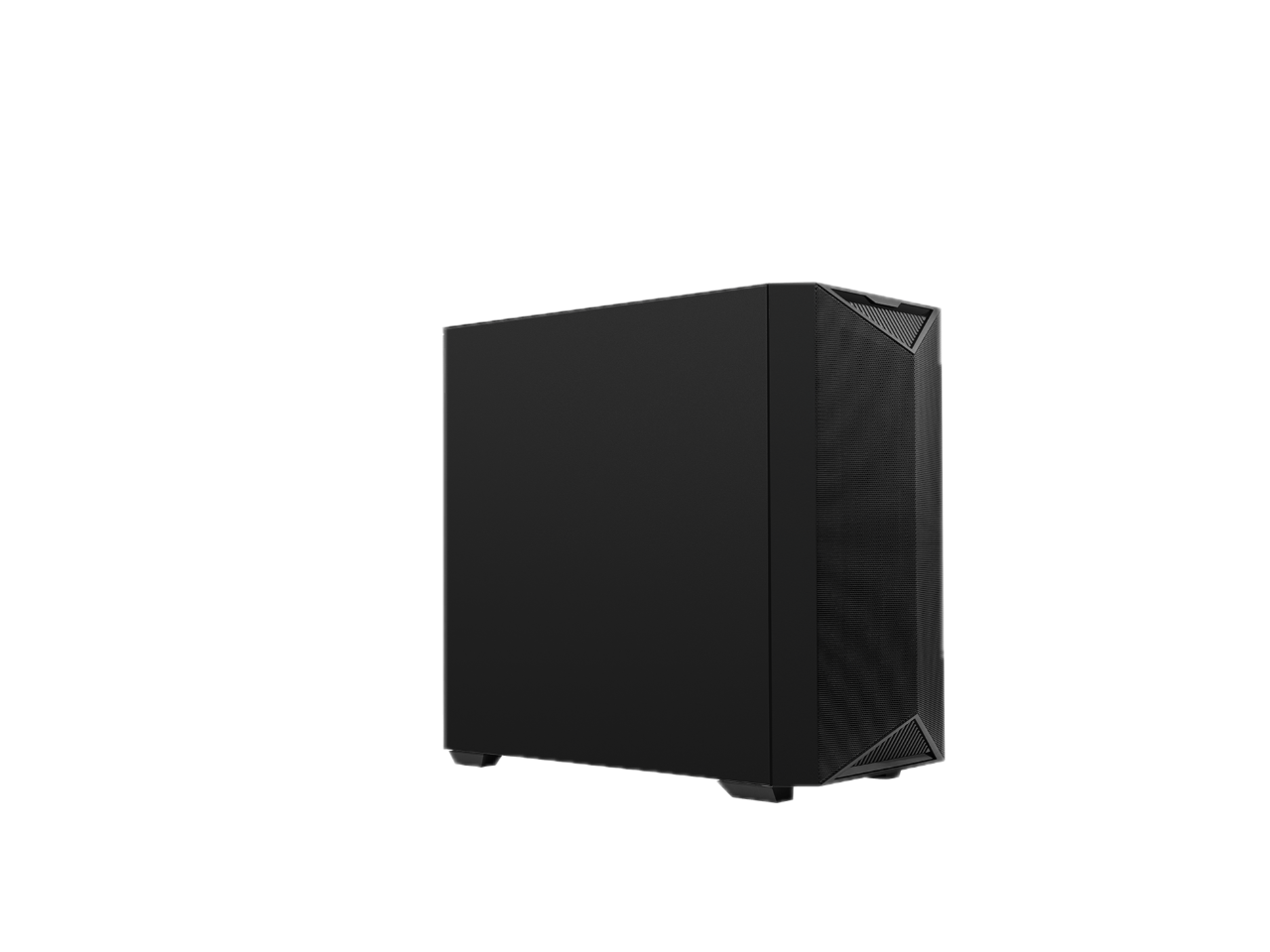
XpertStation WS300
The value flagship — the lowest published MSRP in the GB300 family, aimed squarely at sovereign-AI and private-lab buyers.
- Memory
- 748 GB
- Bandwidth
- 7.1 TB/s
- AI perf
- 20 PFLOPS FP4
$85,000 MSRP
Street $96,996 (CDW) · UK quote-only — lowest published price in the family
Gigabyte
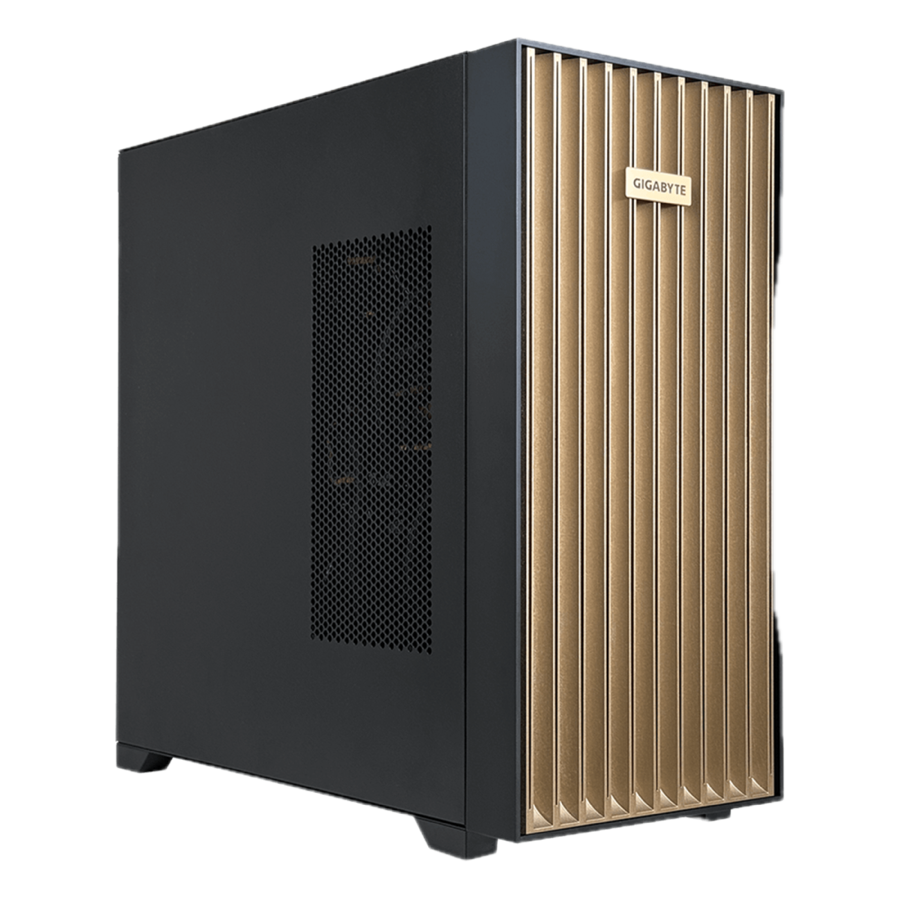
W775-V10-L01
The straight-down-the-line reference tower — listed US pricing at $123,500 through server integrators.
- Memory
- 748 GB
- Bandwidth
- 7.1 TB/s
- AI perf
- 20 PFLOPS FP4
$123,500
US integrator list (Rackmount Pro) · UK quote-only
Supermicro
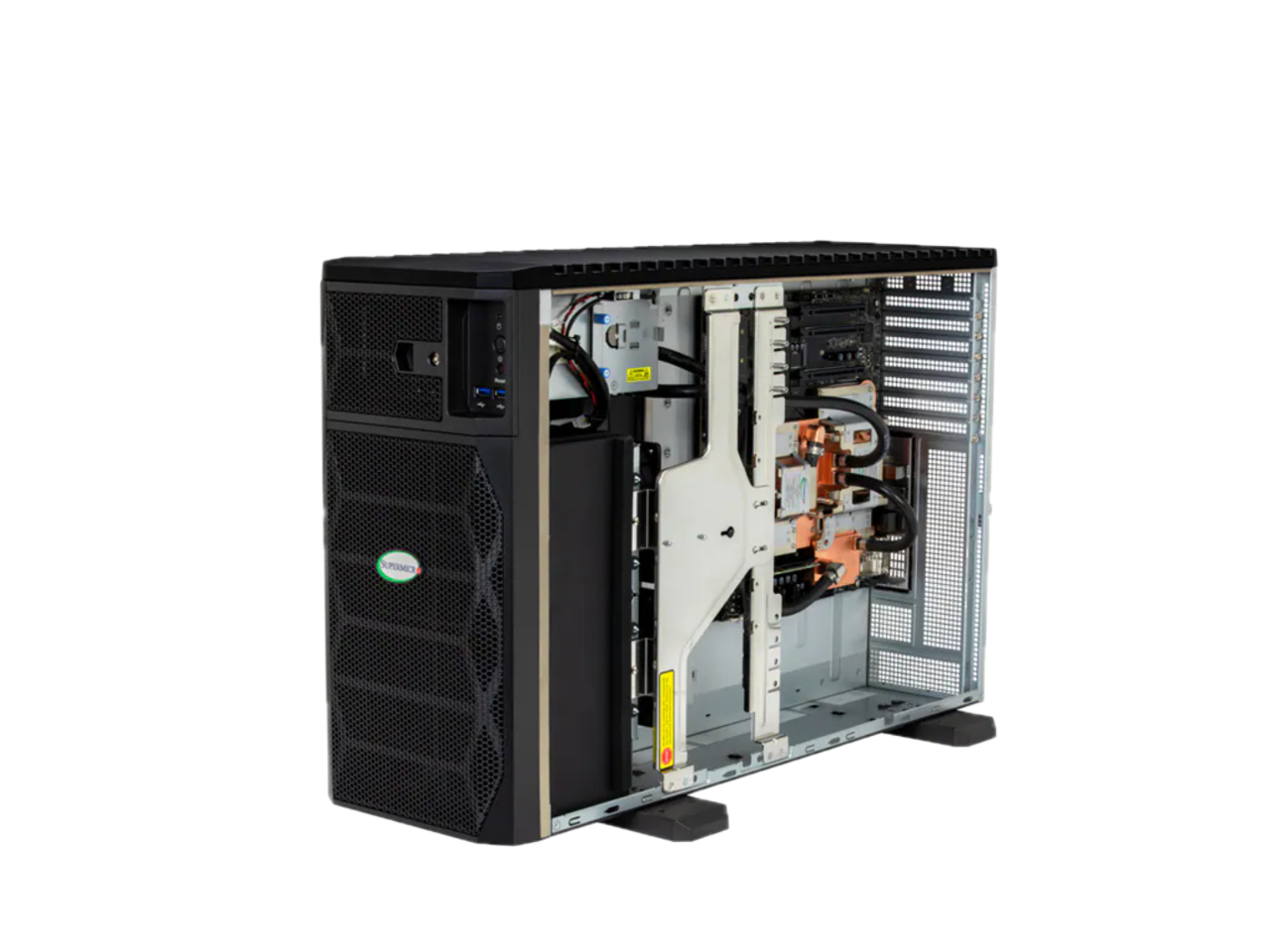
Super AI Station ARS-511GD-NB-LCC
The only liquid-cooled GB300 Station — near-silent, built for 24/7 duty, with an optional 5U rackmount conversion.
- Memory
- 748 GB
- Bandwidth
- 7.1 TB/s
- AI perf
- 20 PFLOPS FP4
$125,990
Newegg US · liquid-cooled variant · UK/EU quote-only
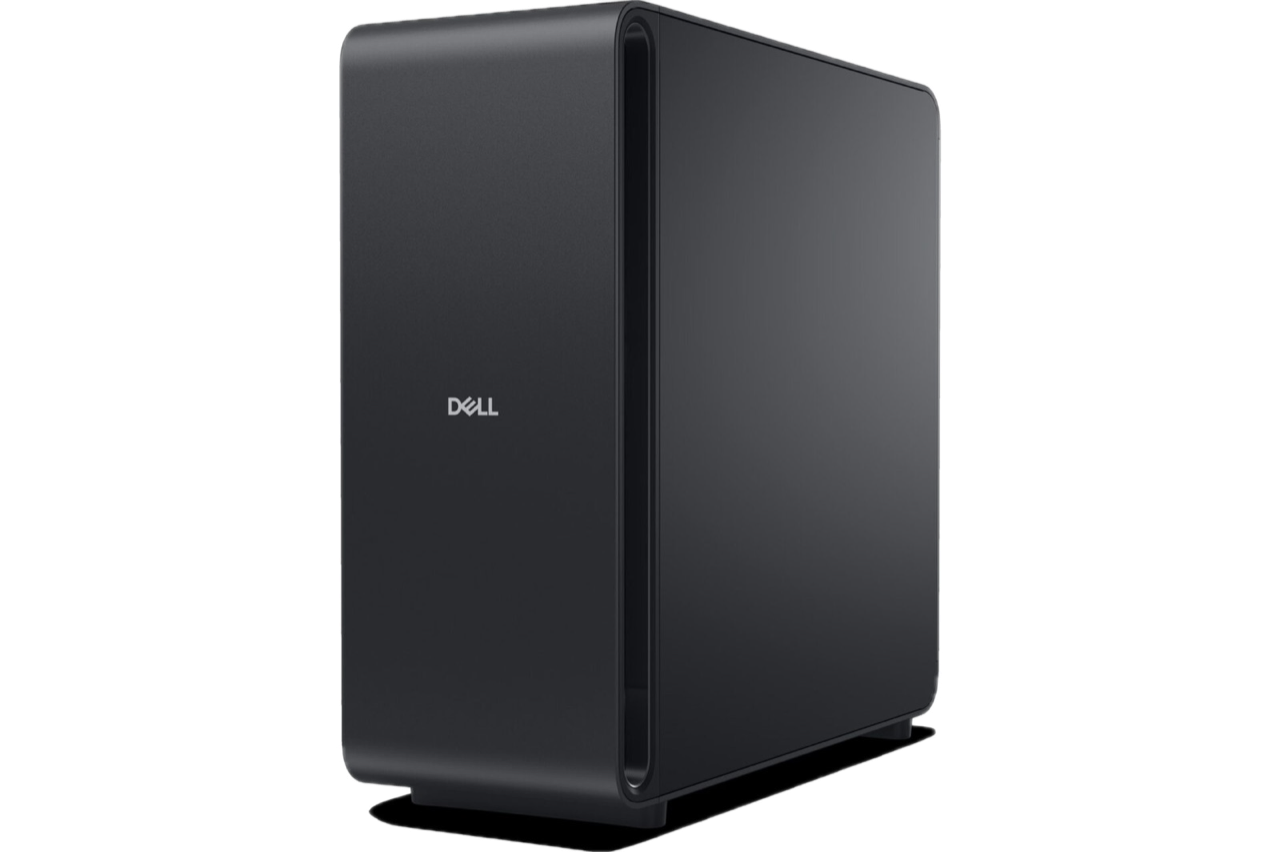
Dell
Pro Max with GB300
The enterprise-services build — 16 TB of storage and a bundled RTX PRO 2000 display GPU, priced only by conversation.
- Memory
- 748 GB
- Bandwidth
- 7.1 TB/s
- AI perf
- 20 PFLOPS FP4
Quote-only
Dell declined to publish pricing — family range $85k–$126k is the anchor
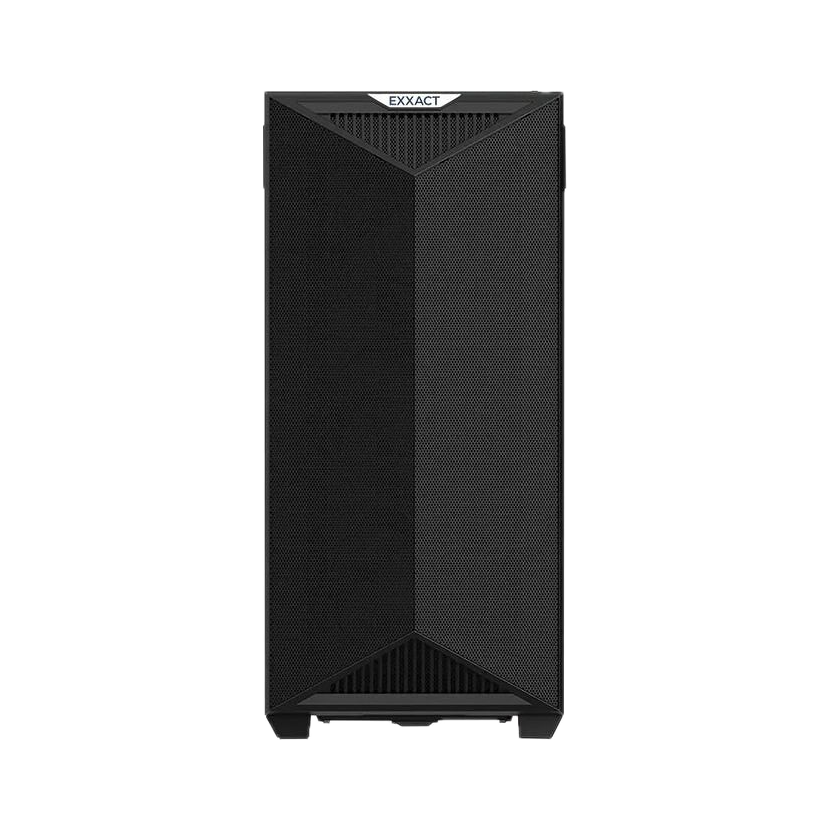
Exxact
Valence VWS-158270643
The build-to-order Station — a US integrator's take on the GB300 platform, configured to spec rather than sold off a shelf.
- Memory
- 748 GB
- Bandwidth
- 7.1 TB/s
- AI perf
- 20 PFLOPS FP4
Quote-only
Build-to-order US integrator — price against the $85k–$126k family range
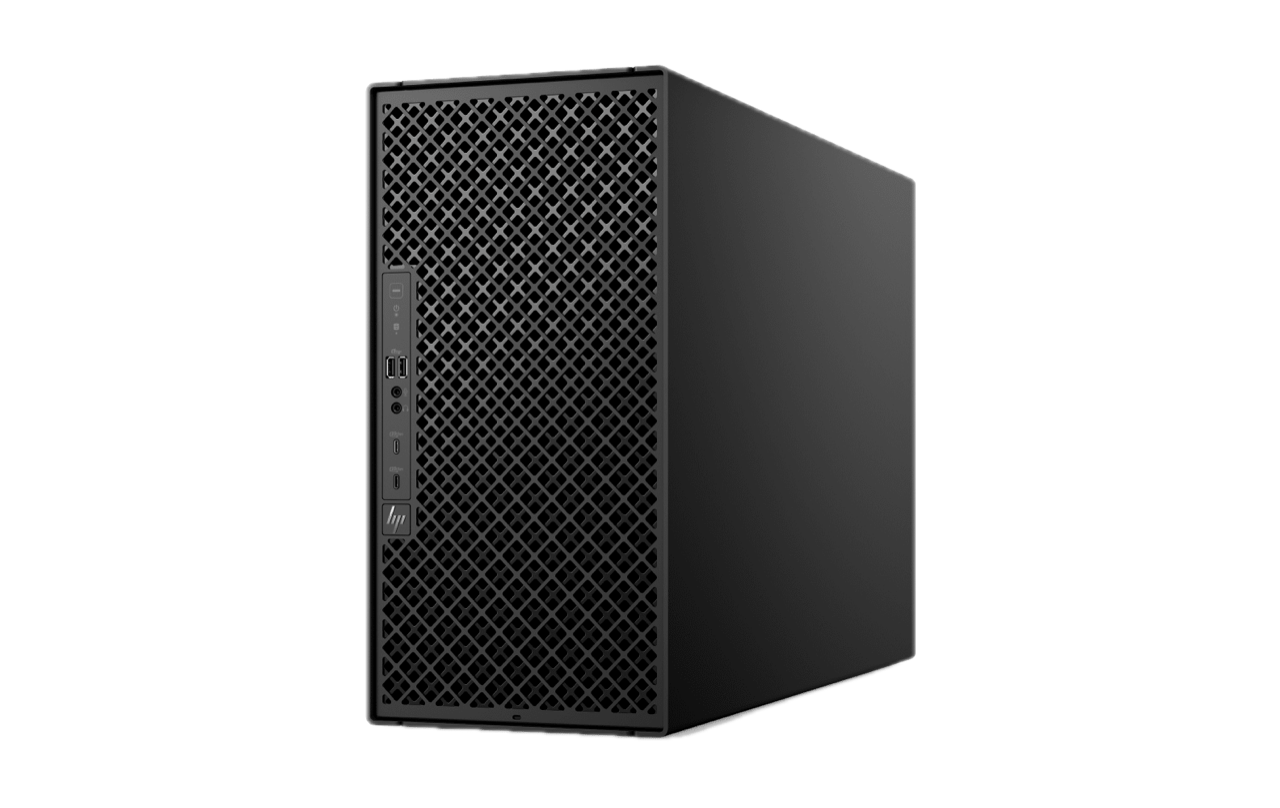
HP
ZGX Fury AI Station G1n
The Windows-first Station — 'the most powerful Windows AI PC ever built', arriving late 2026. Register interest, don't wait on it.
- Memory
- 748 GB
- Bandwidth
- 7.1 TB/s
- AI perf
- 20 PFLOPS FP4
TBA — pre-order
Hardware ~Aug 2026, Windows edition Q4 2026 · press expectation ~$94k+
Sources & verification
Specifications and prices verified 2026-07 against the sources below. The memory shortage is repricing this market monthly — we re-verify at quote.
Compare against the rest of the catalogue, or have us spec it against your workloads.
Back to catalogueSpec the ExpertCenter Pro ET900N G3 for your workload
We'll size it against your real token volumes, quote supply and lease options, and stand up the models with evals that prove they do the job — or tell you honestly that a different box (or the API) wins.